Ljubljana city guide: discover Europe's green capital
Ljubljana is a compact, walkable capital celebrated for its green spaces, stunning architecture by Jože Plečnik, vibrant cultural scene, and emerging food culture. Discover the best attractions, restaurants, and practical travel tips.
Ljubljana was officially founded by the Romans, who named the city Emona. Unofficially, the Greek mythological hero Jason is considered the founder of the Slovenian capital. According to legend, Jason, along with his companions the Argonauts, was on the run after they had stolen the Golden Fleece from King Aietes. They fled across the Black Sea and up the Danube, eventually reaching the Sava River, which they followed upstream to the Ljubljanica River. Here they went ashore and founded Ljubljana before continuing on to the coast. Near Ljubljana, they encountered a dragon, which Jason defeated. The story is a myth, but the dragon remains the symbol of Ljubljana to this day.
The capital is the vibrant heart of the country. A visit to Ljubljana is a must when visiting Slovenia.
Why visit Ljubljana?
Ljubljana feels like a secret you want to keep to yourself. This compact Slovenian capital with 280,000 inhabitants has everything a thoughtful traveler seeks: exceptional green public spaces, architecture that makes you stop and stare, a vibrant cultural scene, and a growing food culture that's beginning to attract serious food enthusiasts from across Europe.
It's no coincidence that Ljubljana was designated Europe's Green Capital in 2016. Since 2007, the city center has been car-free, which means you can actually feel the city as you walk through it. The compact size, you can walk from east to west in about 20 minutes, makes it ideal for a long weekend, while the cultural depth rewards multiple visits.
For traverllers who love discovering hidden courtyards, trying new restaurants, and truly inhabiting a place, Ljubljana is the city to return to. Every visit reveals something new.

Top attractions in Ljubljana
Ljubljana is small enough to explore completely in a few days but substantial enough to feel never cramped. Here are the essential sights, roughly organized along a natural walking route through the city center.
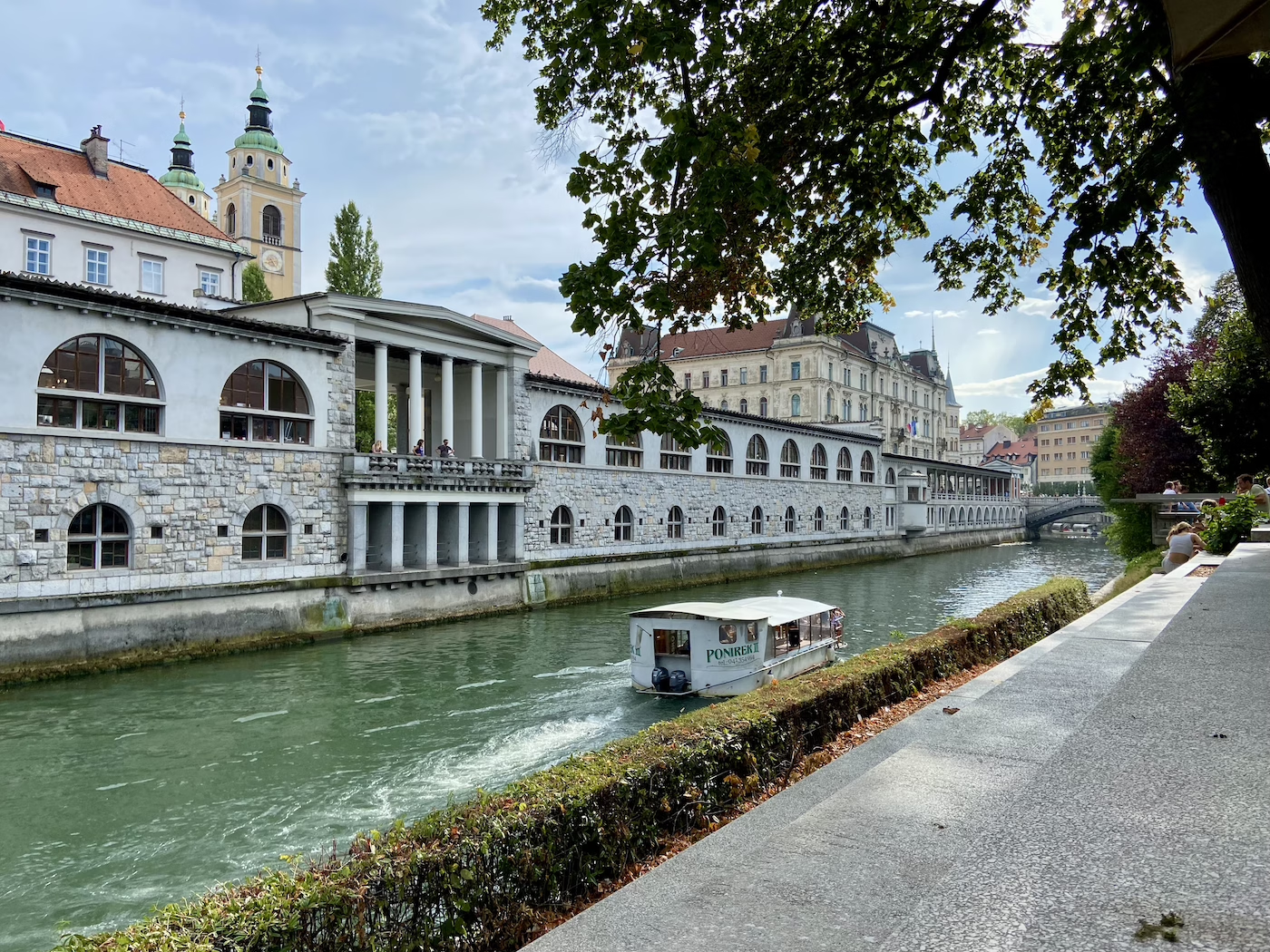
- Plečnik's Market
Plečnik's Market is a key architectural landmark in Ljubljana, designed by the famous Slovenian architect Jože Plečnik. Located near the Central Market by the Ljubljanica River, it is an integral part of the city's cultural and social fabric.The market consists of two main parts: the covered market and the open-air market. Plečnik's design, completed in the 1930s, features a distinctive combination of traditional and modernist styles. The covered market, located beneath a series of elegant arches, creates a visually striking yet functional space. The arches are supported by stone columns, and the roof features red-tiled elements, giving it a warm and inviting feel. The market is designed to be both a practical space for vendors and a beautiful architectural feature.
- Love Bridge
The Love Bridge (or "Most Ljubezni" in Slovenian) in Ljubljana is a charming pedestrian bridge over the Ljubljanica River, known for its romantic atmosphere. The bridge is famous for being covered in padlocks, placed by couples as a symbol of their love. These locks, often engraved with initials or names, represent the commitment and affection of couples who visit the bridge and attach a lock before tossing the key into the river as a symbolic gesture of eternal love.
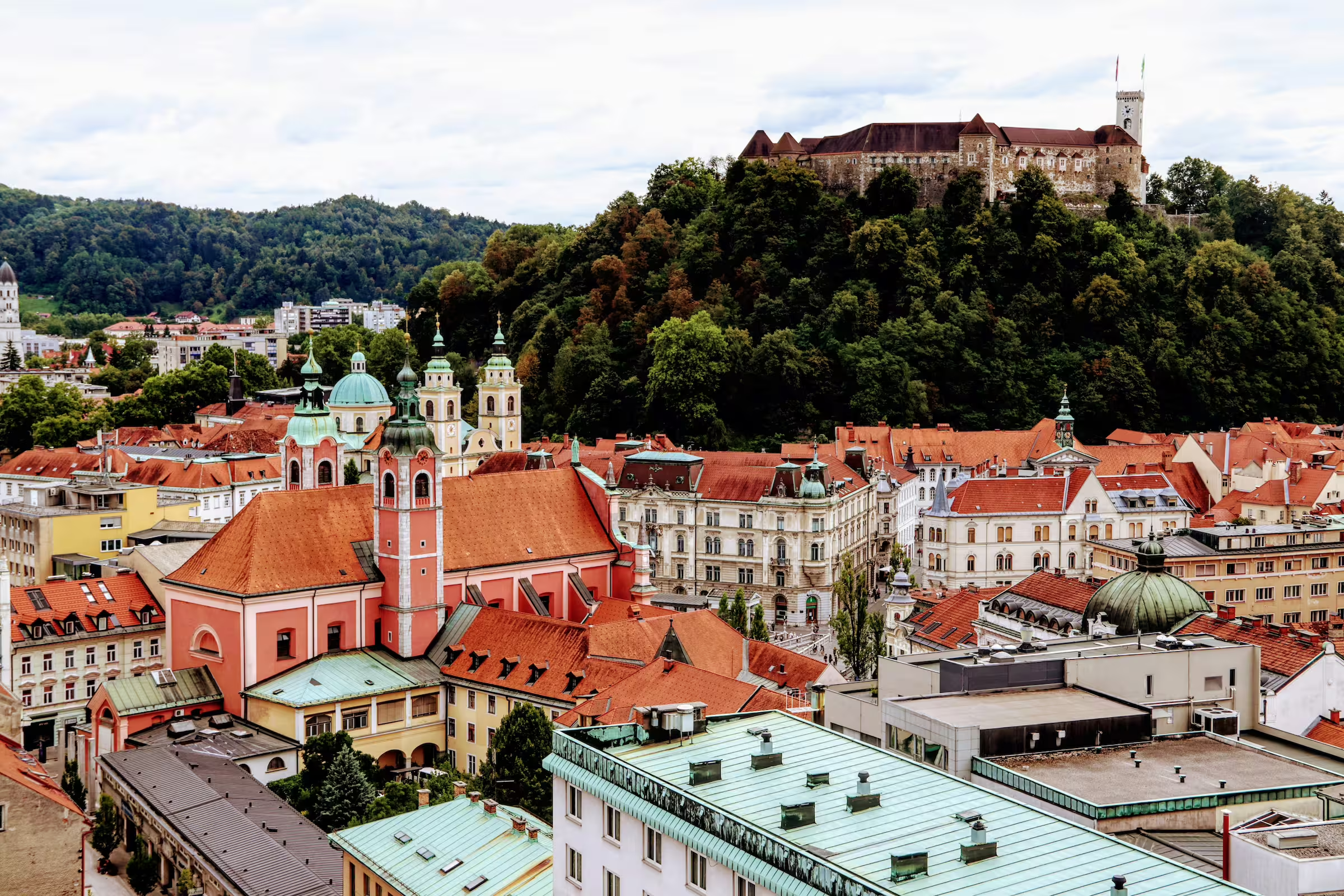
- Ljubljana Castle
Ljubljana Castle (or Ljubljanski Grad) is one of the most iconic landmarks in Ljubljana, sitting majestically on a hilltop overlooking the city. The castle offers stunning panoramic views of the entire city and the surrounding landscape, making it a must-visit spot for anyone in Ljubljana. The castle has a long history, dating back to the 11th century. Originally built as a medieval fortress, it was later expanded and renovated over the centuries. It has served various purposes throughout history, including as a royal residence, military stronghold, and prison.
- Dragon Bridge
The Dragon Bridge (or Zmajski Most) is one of the most famous landmarks in Ljubljana, known for its unique design and mythological significance. The bridge is a symbol of the city and a prime example of Art Nouveau architecture. It was originally constructed to improve traffic flow, as it connected the center of Ljubljana with the eastern districts. The bridge was designed by the architect Jurij Zaninović, and its most striking feature is the four dragon statues that guard the bridge at each corner.
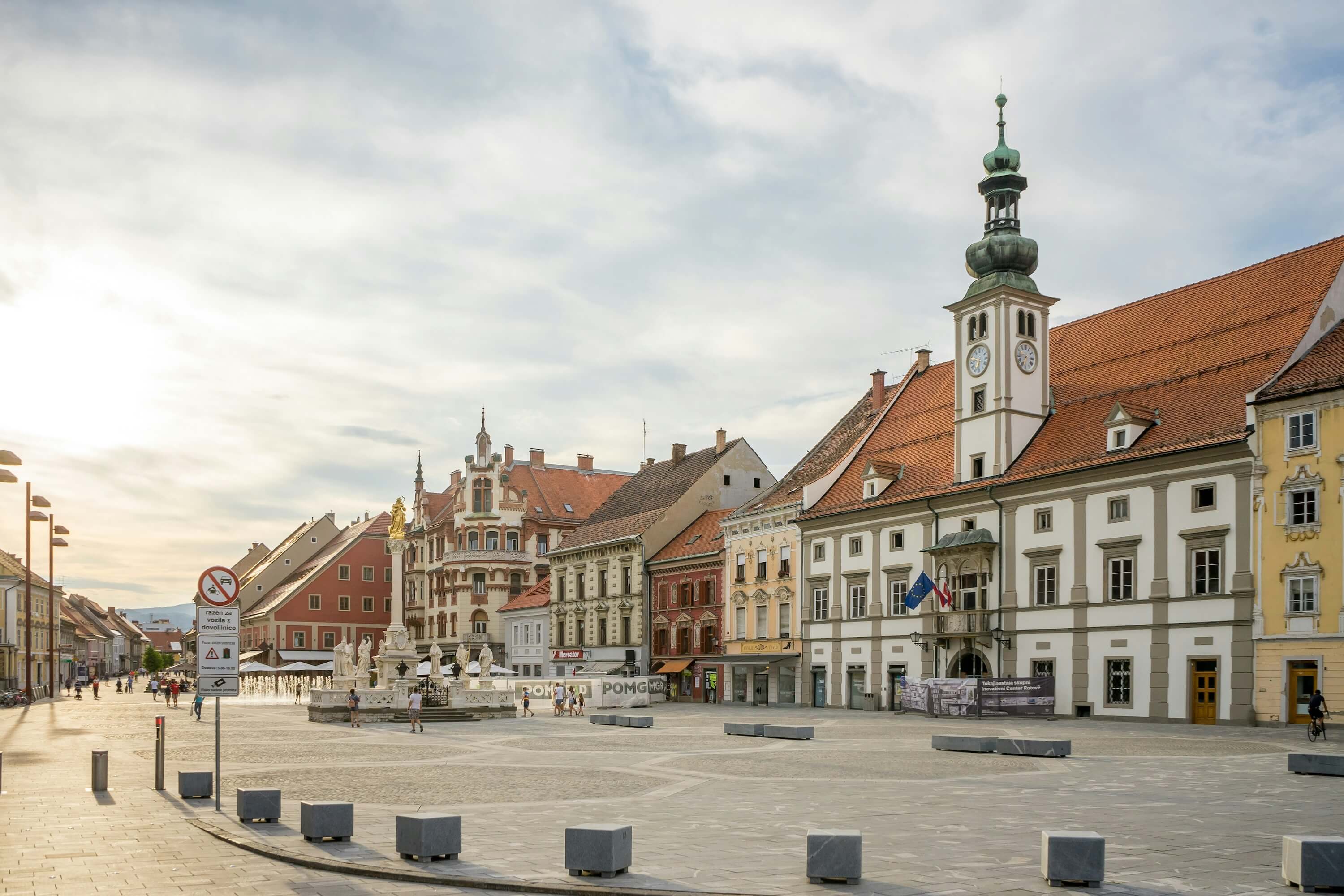
- Prešeren Square
Central plaza with Ljubljana Cathedral and cultural monuments.
- Triple Bridge
The central of the three bridges forming the Triple Bridge has stood in its place since 1842, when it replaced an old, strategically important medieval wooden bridge connecting the north-western European lands with south-eastern Europe and the Balkans.
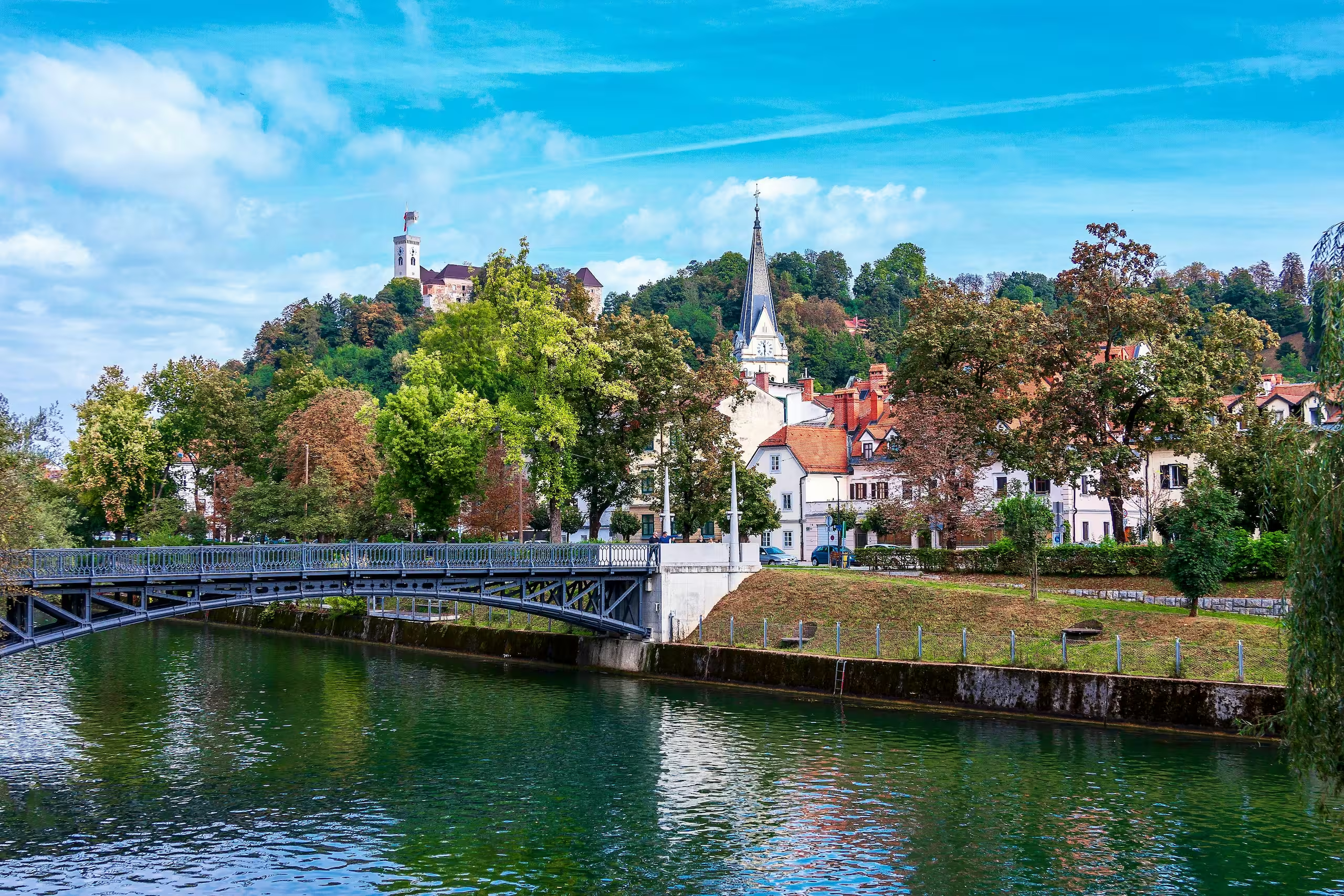
Jože Plečnik: the architect who shaped Ljubljana
Much of what makes Ljubljana remarkable is the work of one man: Jože Plečnik. This Slovenian architect designed the Triple Bridge, the central plazas, and countless other iconic elements. His style is instantly recognizable: functional yet elegant, never overindulgent. For architecture enthusiasts, a walk through his creations is a pilgrimage. The National Library (NLB) is a stunning building. The National Museum and Museum of Modern Art offer not just art but are themselves architectural masterpieces. Even the smaller details, the bridges, the street furniture, bear his thoughtful hand.
Where to eat in Ljubljana?
Ljubljana's food scene is quietly emerging as one of Central Europe's most interesting. This is the moment to discover it before it becomes mainstream.
In Slovenia, Ana Roš of Hiša Franko is the grande dame of the culinary world. Her restaurant ranks among the world's best. While Hiša Franko sits outside Ljubljana (in Kobarid, about two hours away), it's worth the journey. But within Ljubljana itself, excellent restaurants are multiplying.
For authentic experience, don't miss Odprta Kuhna (Open Kitchen): a Friday night street food market at the Central Market where local chefs and food vendors showcase their best work. This is where Slovenian chefs experiment and locals gather.
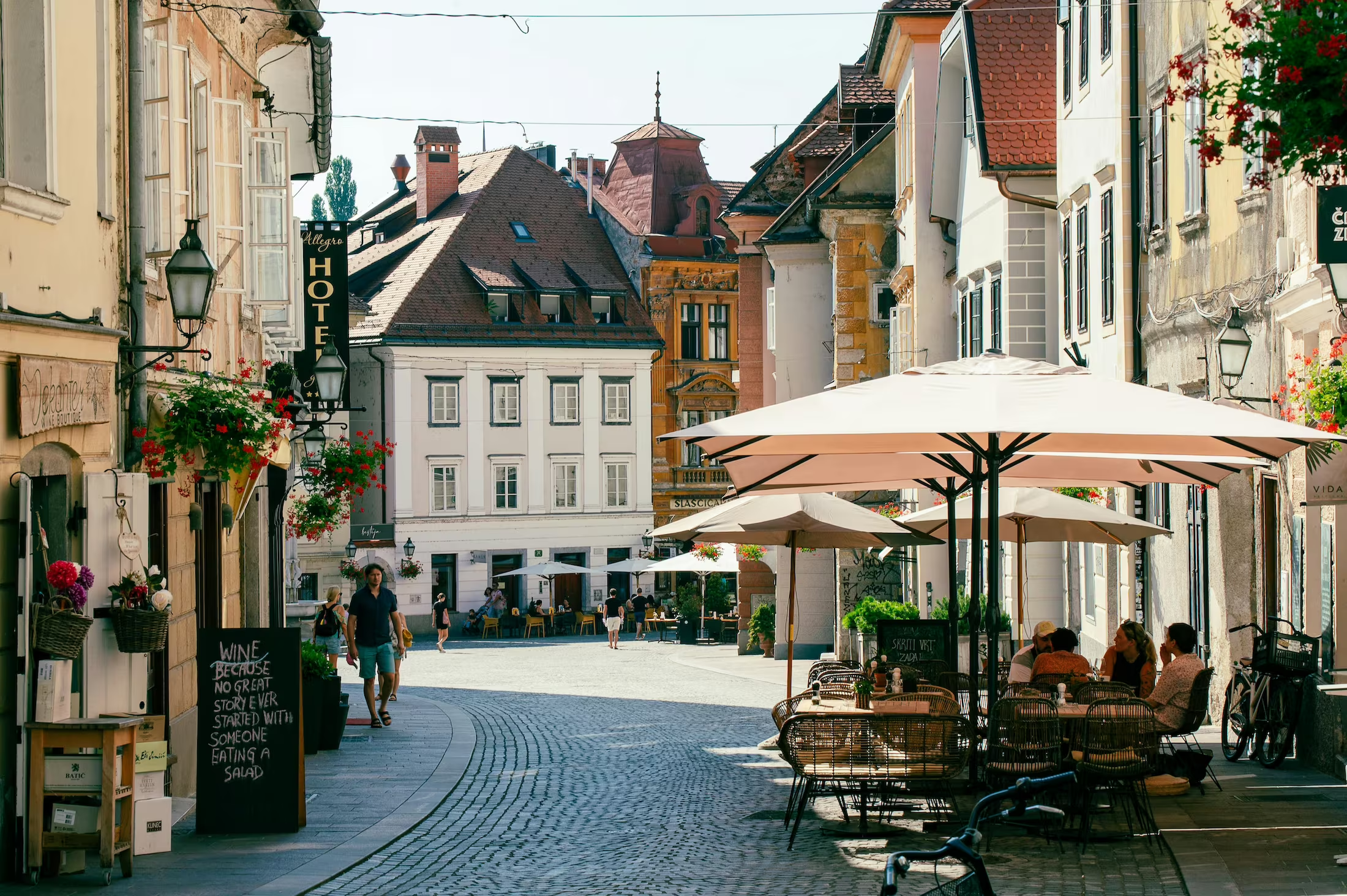
Why creatives love Ljubljana
Ljubljana contains more cultural heritage per square kilometer than many cities twice its size. The National Gallery houses medieval to contemporary art. The Museum of Modern Art shows what contemporary artists are creating right now. Both buildings are as impressive as their contents.
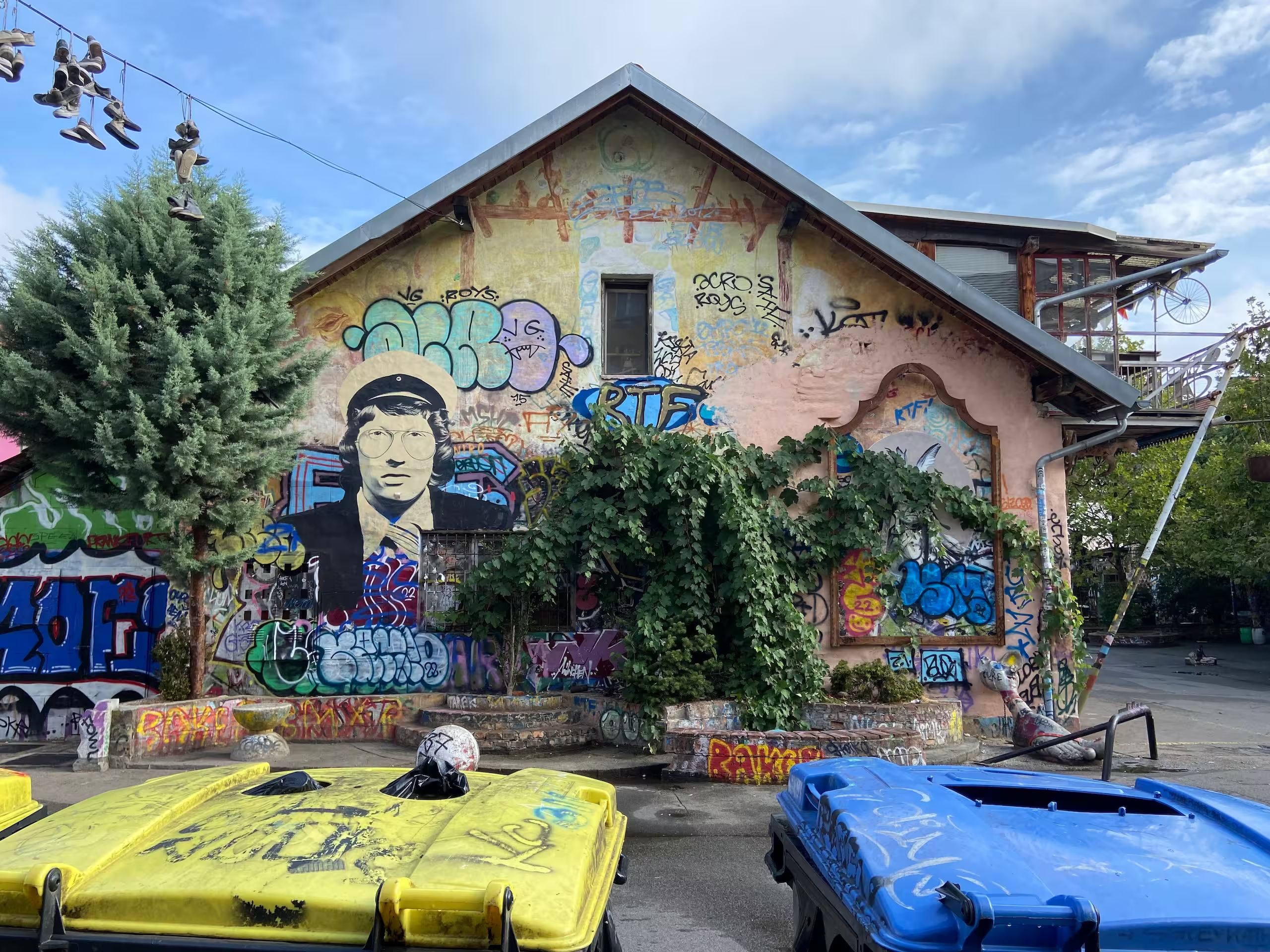
For something more avant-garde, Metelkova is an autonomous cultural center that emerged in a former barracks. Galleries, live venues, smaller museums: all vibrant, creative, sometimes rough around the edges. This is where Ljubljana's alternative culture concentrates.
Walk through the old town in the evening and you realize culture isn't confined to museum walls; it lives in the streets, the wine bars, the independent cinemas.
Exploring Ljubljana as a green city
Ljubljana is genuinely green, not just in marketing. Since 2007, the city center has been car-free. This means you can breathe while walking the streets. It means children can play safely. It means cafés can expand onto the streets rather than next to exhaust fumes.
Tivoli Park is a stunning green lung in the heart of the city. Perfect for walks, picnics, or simply sitting under ancient trees. Further out, the Ljubljana Marshes are a wetland of European significance where birds breed and ecology rules.
For transport: the city is compact enough to walk everywhere. Cycling is an excellent option. For shorter distances, Kavalir electric taxis are CO2-neutral. At night, when tourists retreat, Ljubljana reveals itself as the quiet, green city it truly is.
Practical information
- Ljubljana Card: Available for 24, 48, or 72 hours. Includes free public transport, free museum entry, and discounts on attractions. For most visitors, it's a smart investment.
- Parking: Don't park in the center unless your accommodation provides it. The city is designed for walking. If you have a car, park outside the center and use public transport.
- Best Time to Visit: April–May and September–October are ideal. Summer can be crowded (though still less busy than other European cities). Winter is quiet and atmospheric; Christmas is magical.
- How Many Days: Two to three full days are ideal. You can see the highlights in two days, but three days allow you to truly absorb the city, try an extra restaurant, and lose yourself in a café or two.
- Language: Many Slovenian people, especially younger generations, speak English. But learning a few Slovenian words is much appreciated.

Day trips from Ljubljana
One advantage of Ljubljana is that it's a perfect base for exploring more of Slovenia.
- Lake Bled (1.5 hours): An Alpine lake surrounded by mountains. The famous island with a church is beautiful but crowded. Arrive early or stay late.
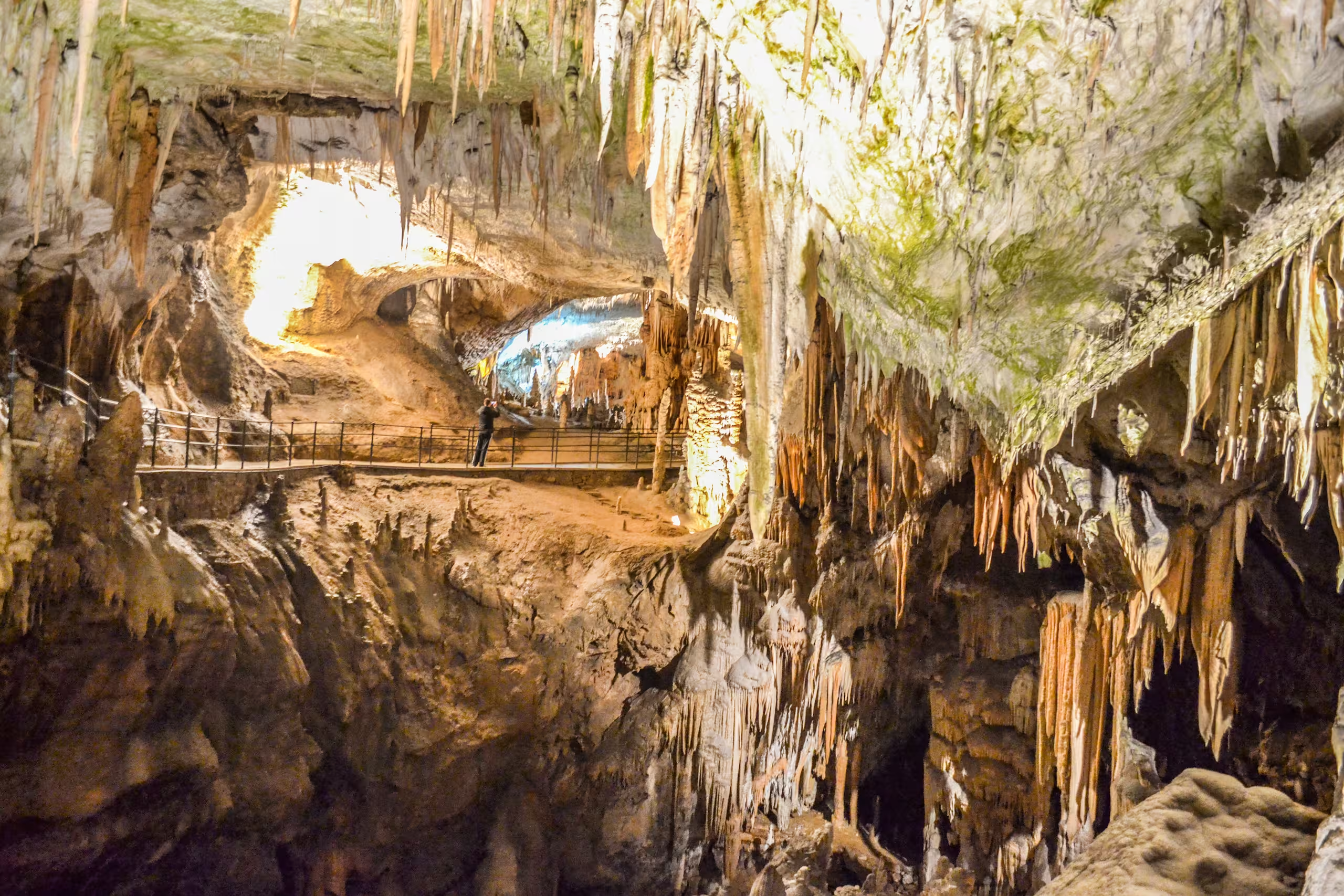
- Postojna Caves (1 hour): One of Europe's largest cave systems. Spectacular and a fascinating contrast to Ljubljana's surface charm.
- Brda Wine Region (1.5 hours): Rolling hills covered in vineyards in the southwest. Perfect for a wine-tasting day and local gastronomy.
- Radovljica (1 hour): A medieval town famous for beekeeping and honey. Charming and less touristy than Bled.
Frequently Asked Questions
- Is Ljubljana expensive?
Less expensive than many Western European cities. A three-course dinner costs EUR 15–30. Hotels range from EUR 30 (hostel) to EUR 150+ (boutique). - How do I get there?
Ljubljana is located in the heart of Slovenia and is easily accessible by all modes of transportation. There are direct flights from Amsterdam and Brussels. The capital is also easily accessible by train and car. - Do people speak English?
Yes, especially younger people and in tourist areas. Older generations less so, but everyone makes an effort. - Is it safe?
Very safe. Ljubljana is one of Europe's safest cities, day and night. - What's the weather like?
Temperate continental climate. Summer: 20–25°C. Winter: -2 to 5°C. Rain is common year-round.
Last verified: april 2026 | Last uipdated: april 2026 | Author: Editorial Team Mijn Slovenië
Sources: Mijn Slovenië, Visit Ljubljana, I Feel Slovenia, UNESCO World Heritage, European Green Capital Award 2016