Plan Your Trip to Slovenia
Explore one of Europe’s most diverse and nature-rich countries, from mountains to sea, cities to caves.

Why Slovenia Should Be Your Next Destination
Slovenia is one of the greenest and most water-rich countries in Europe. Whether you’re an outdoor adventurer, wine lover, or cultural explorer, Slovenia offers world-class experiences, all within easy reach.
When to Go:
Seasons in Slovenia
While Slovenia is a year-round destination, the best time to visit is from May to September for hiking, water adventures, and cultural events, or in late September to October if you prefer mild weather, golden landscapes, and fewer tourists.

March - May
Fresh and colorful, great for hiking and exploring nature in peace.

June - August
Warm and sunny, ideal for outdoor adventures, lake swimming, and city festivals.

September - November
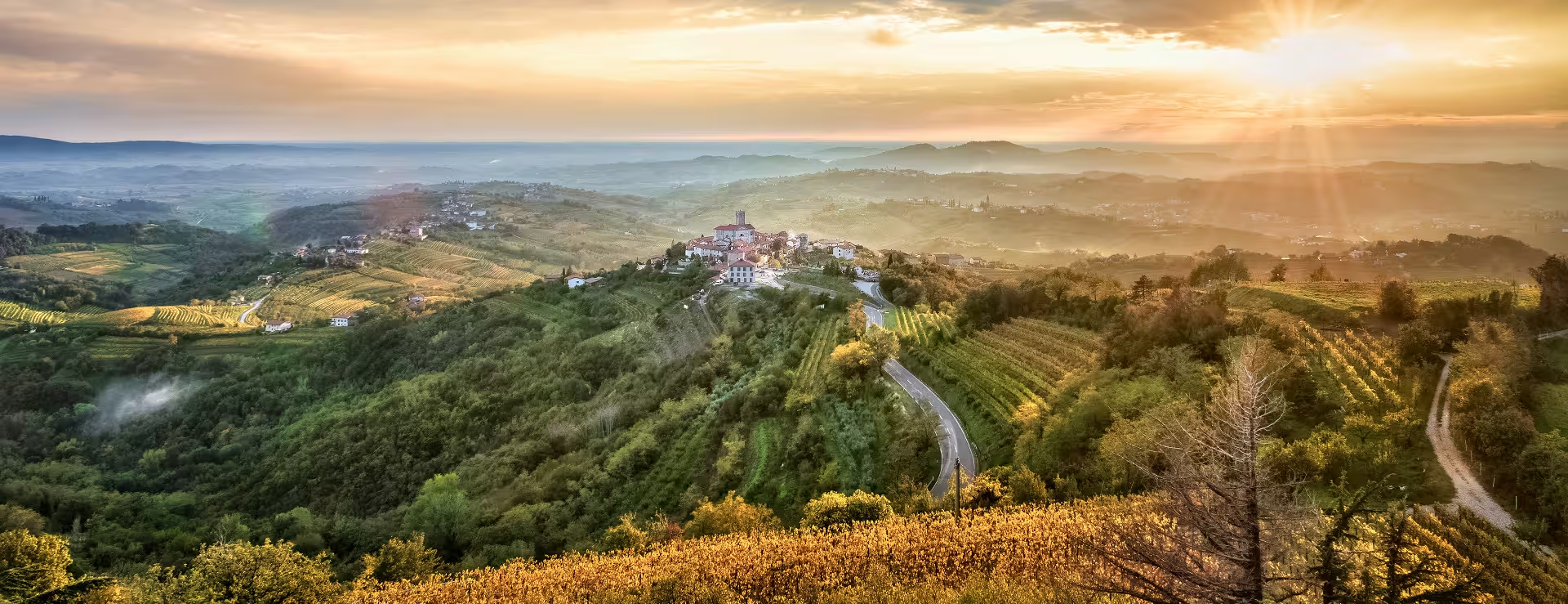
Wrapped in golden colors, perfect for wine lovers and scenic road trips.

December - February
A snowy wonderland, with top ski resorts and magical Christmas markets.

Destinations in Slovenia
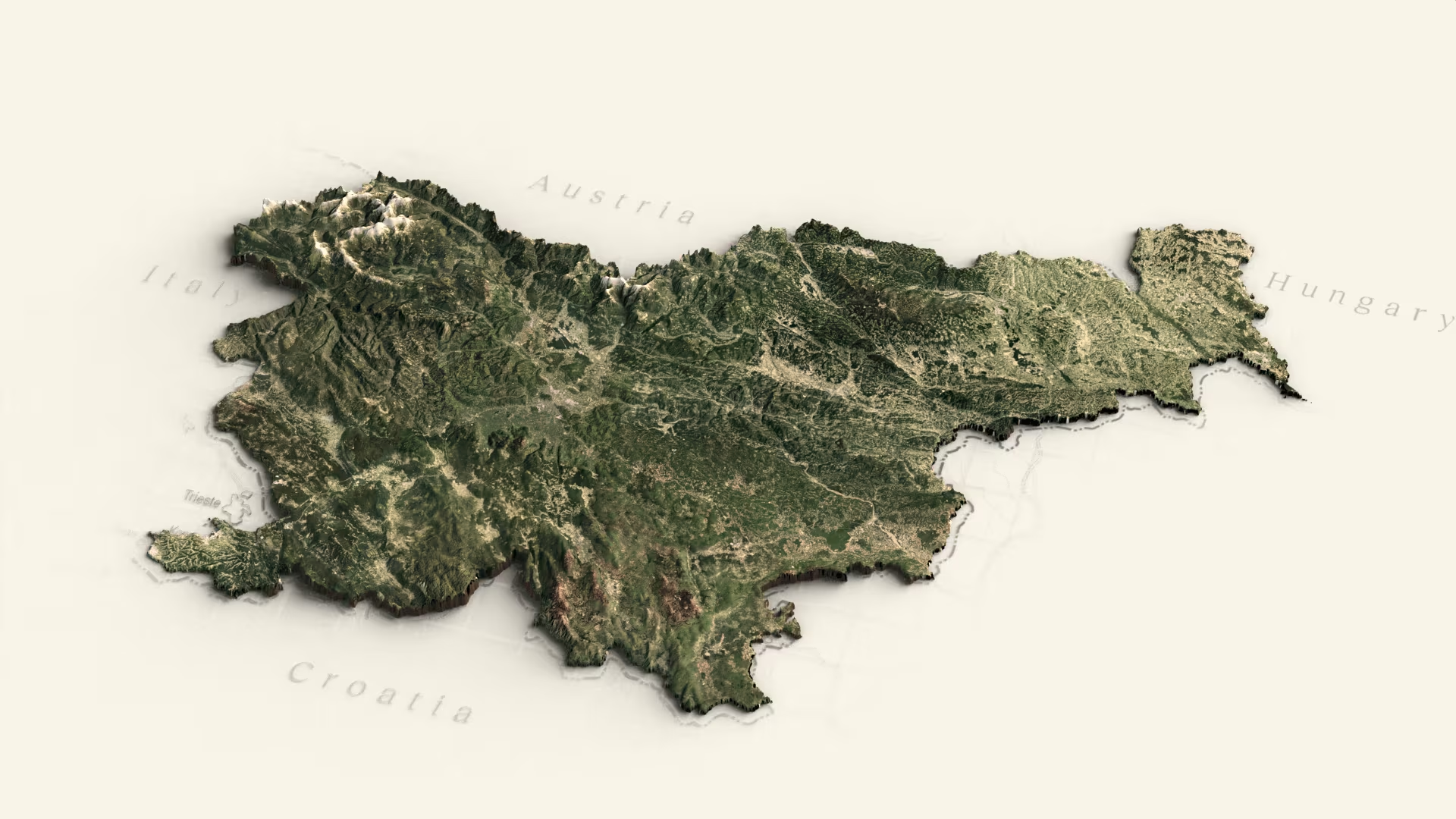
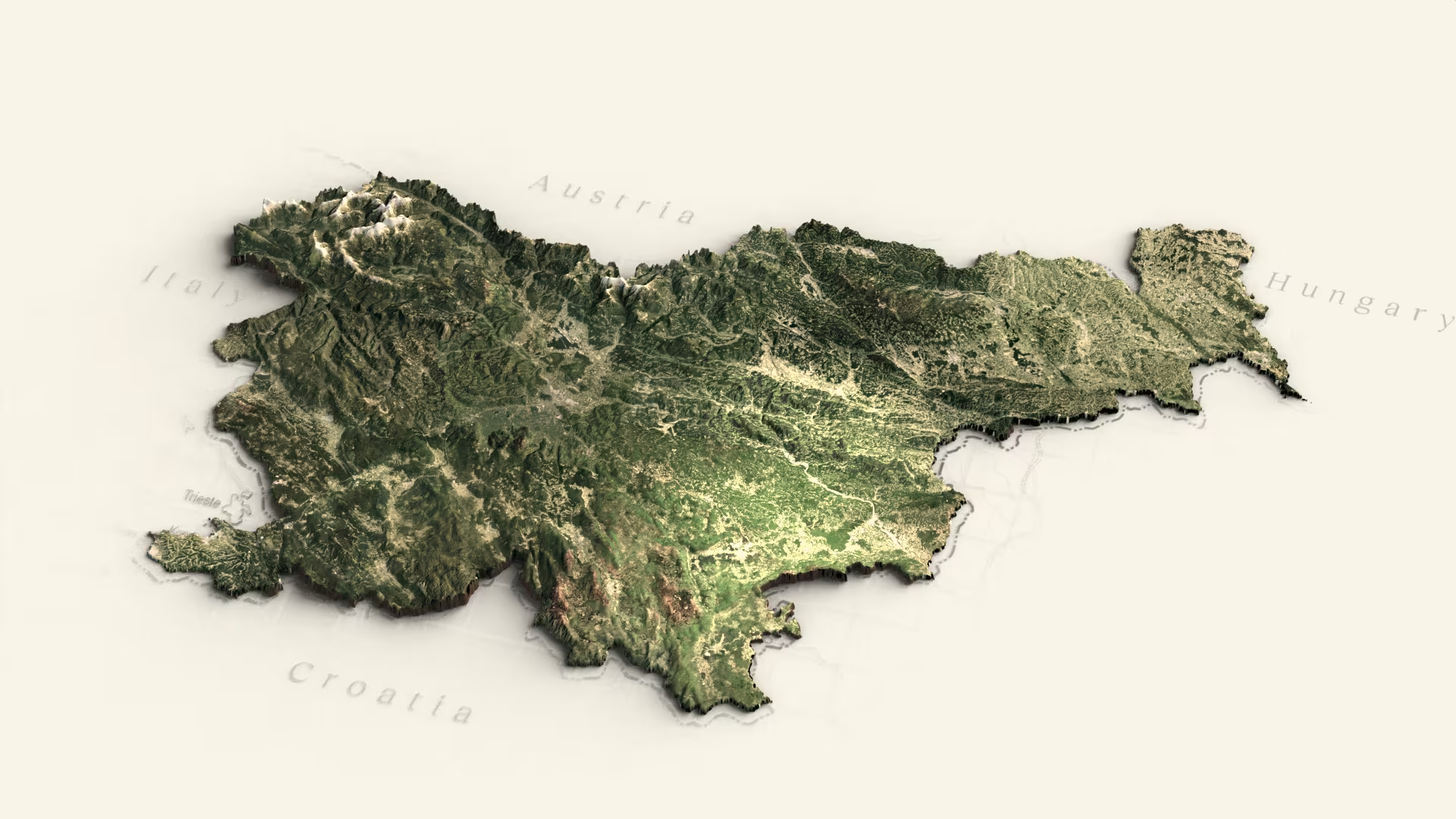
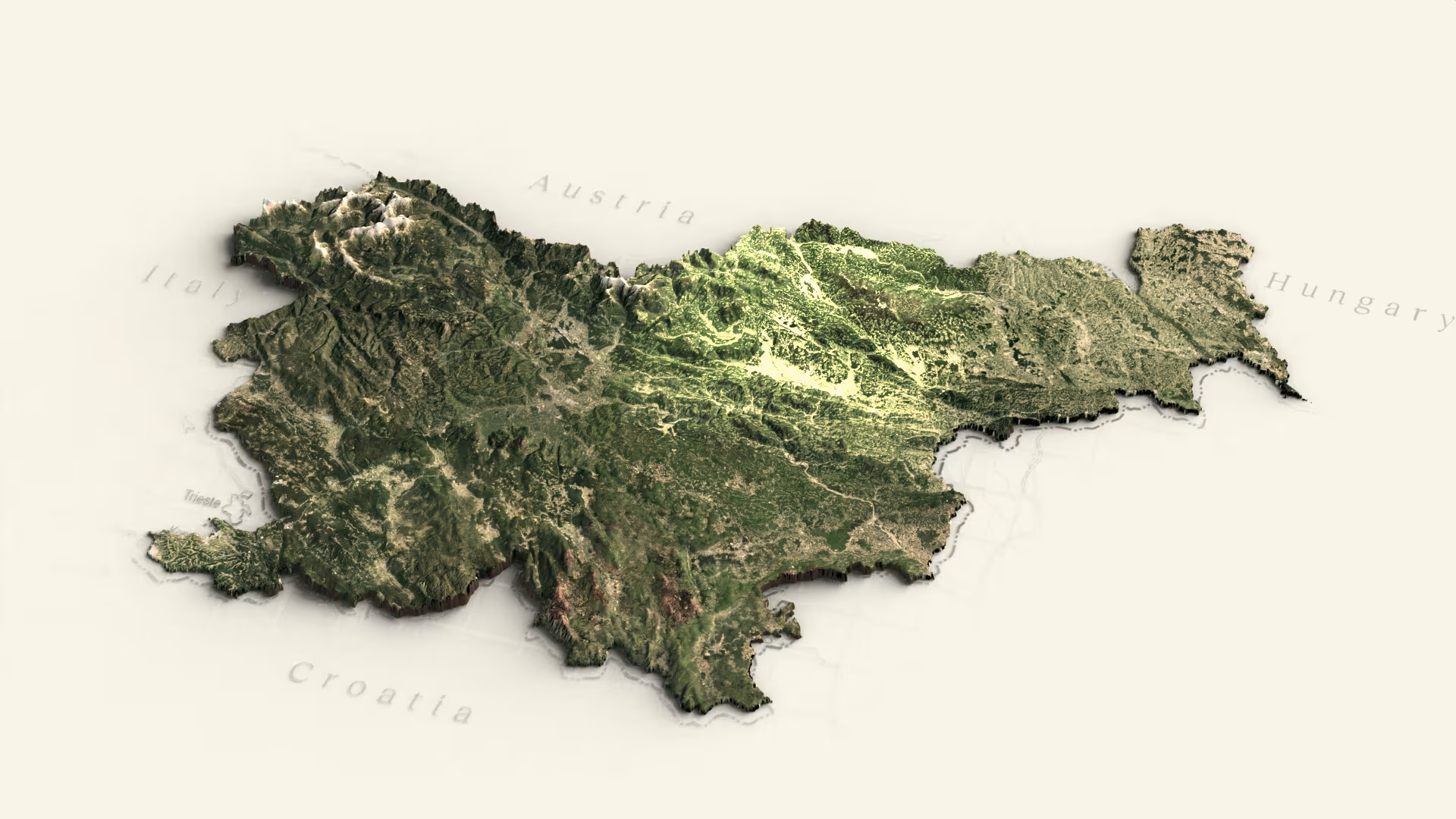
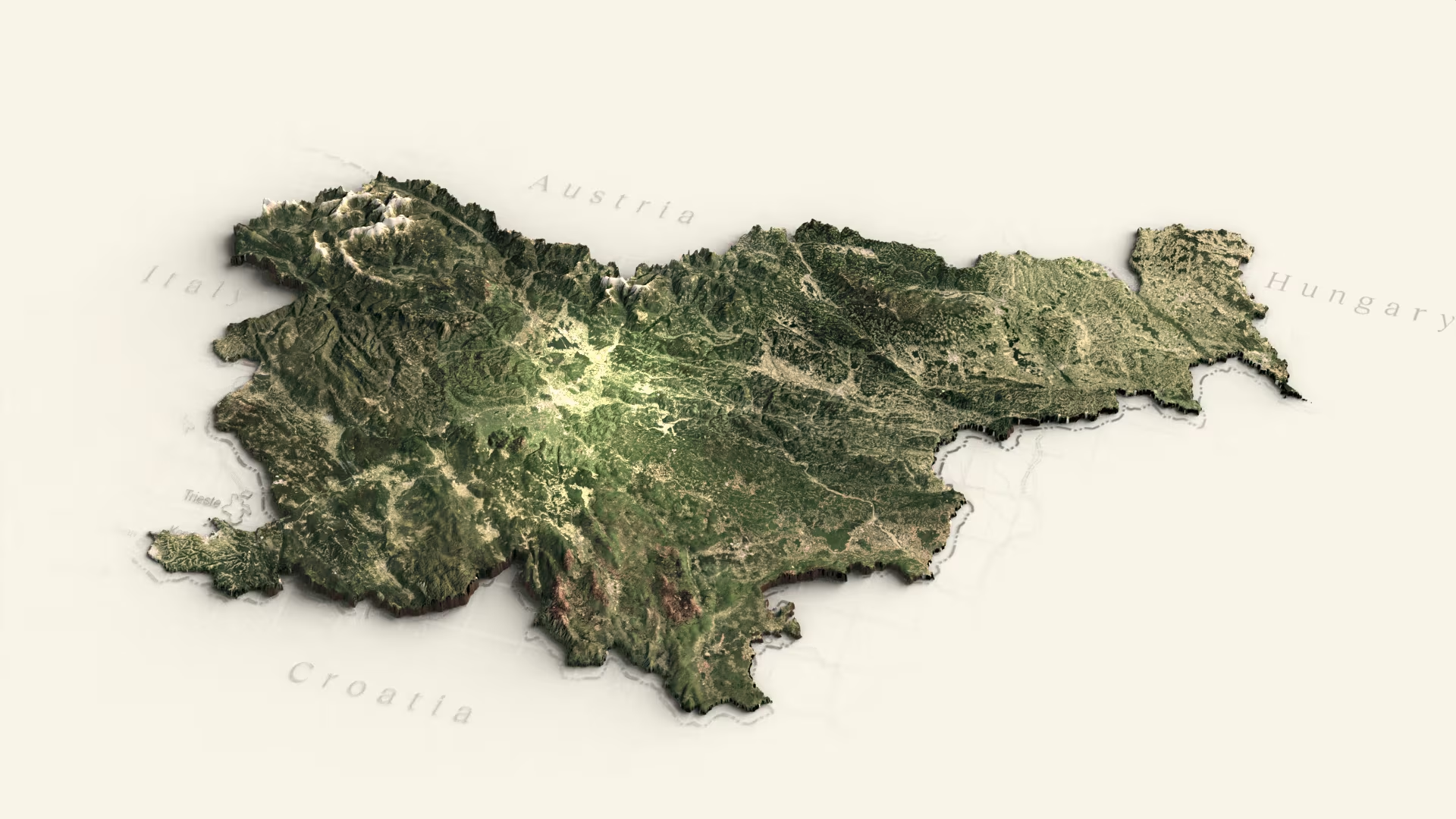
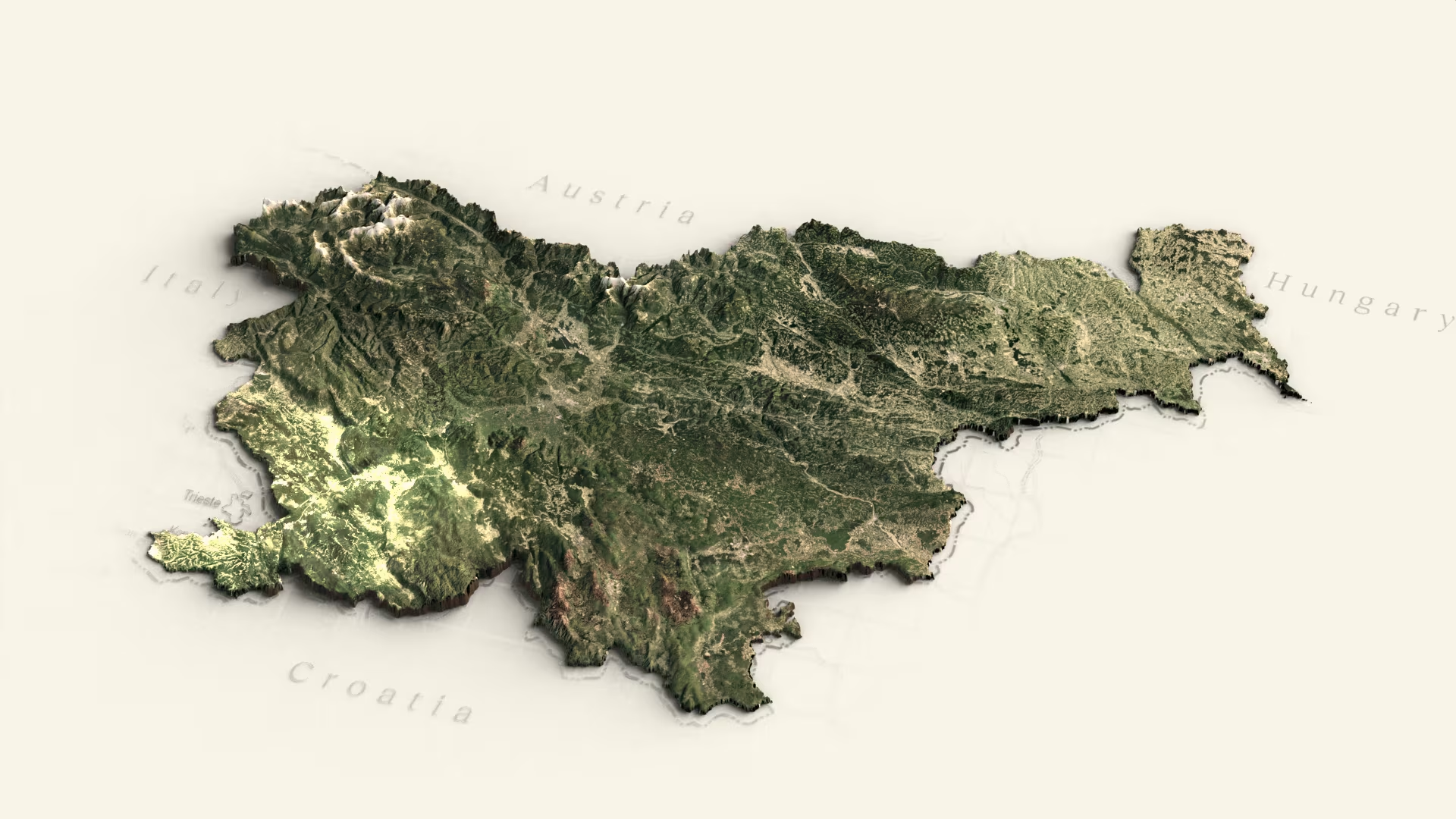
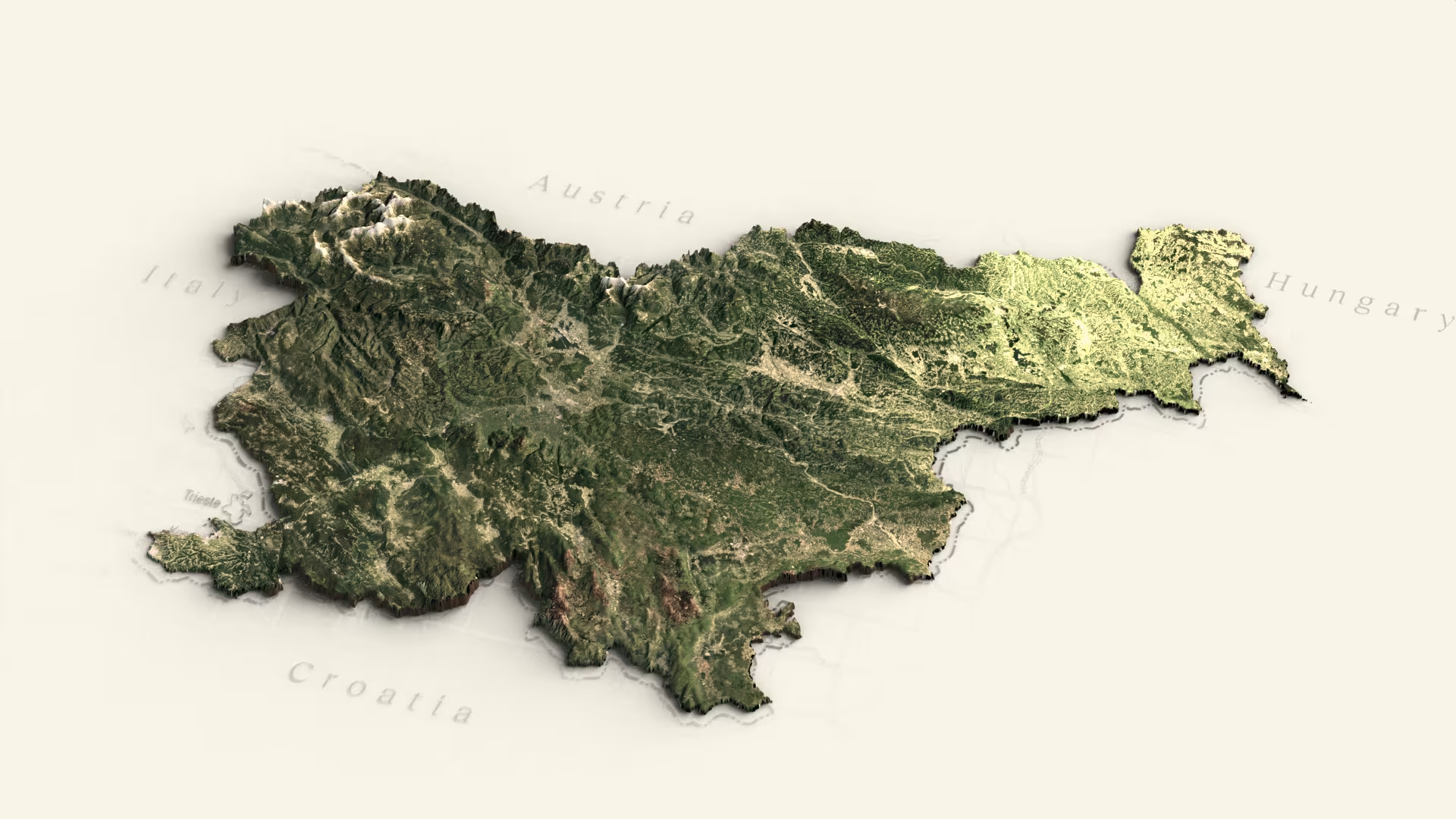
Discover Slovenia’s six unique regions, each with its own landscapes, culture, and hidden gems. Click the map below to explore what each region has to offer.
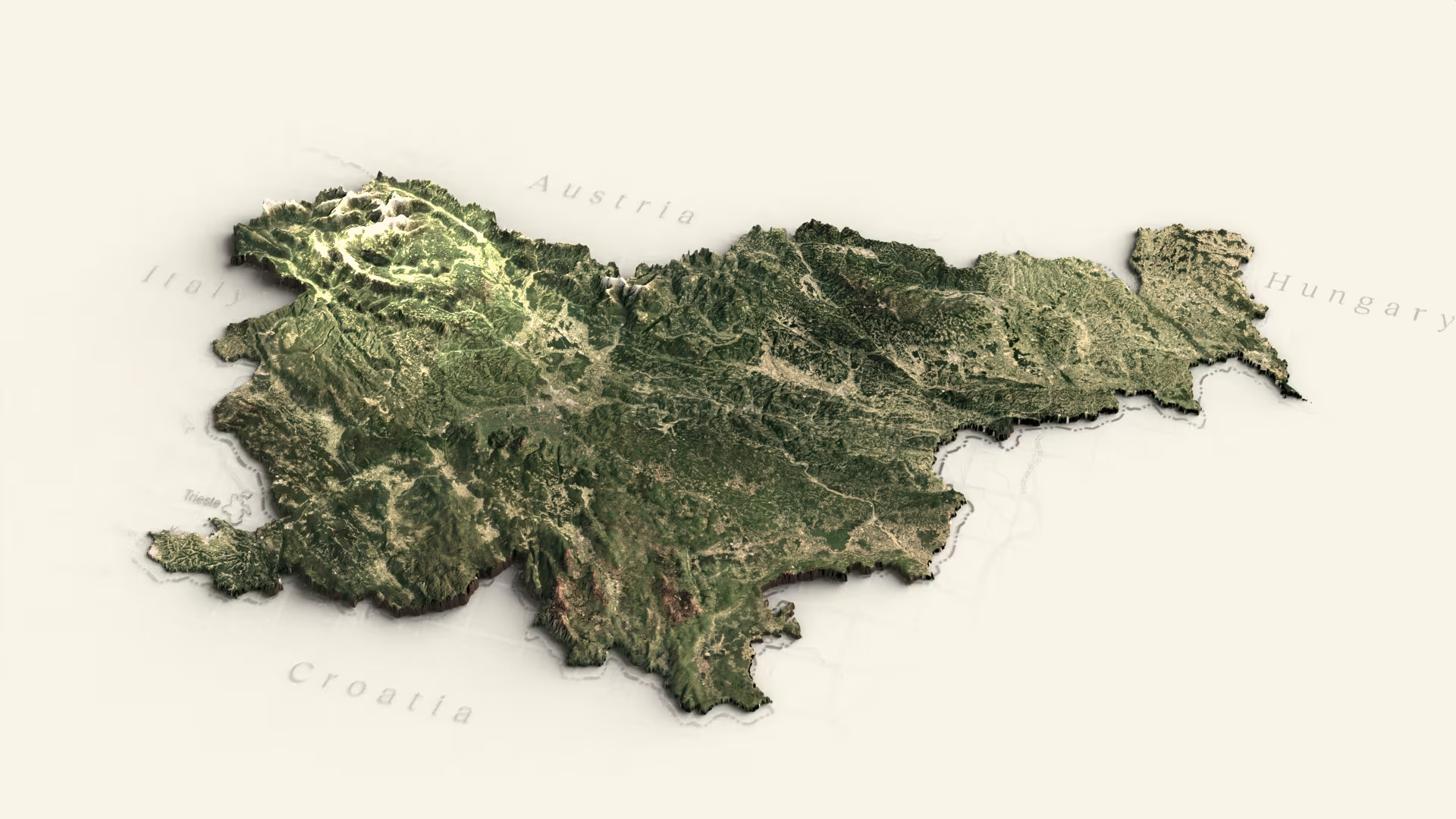
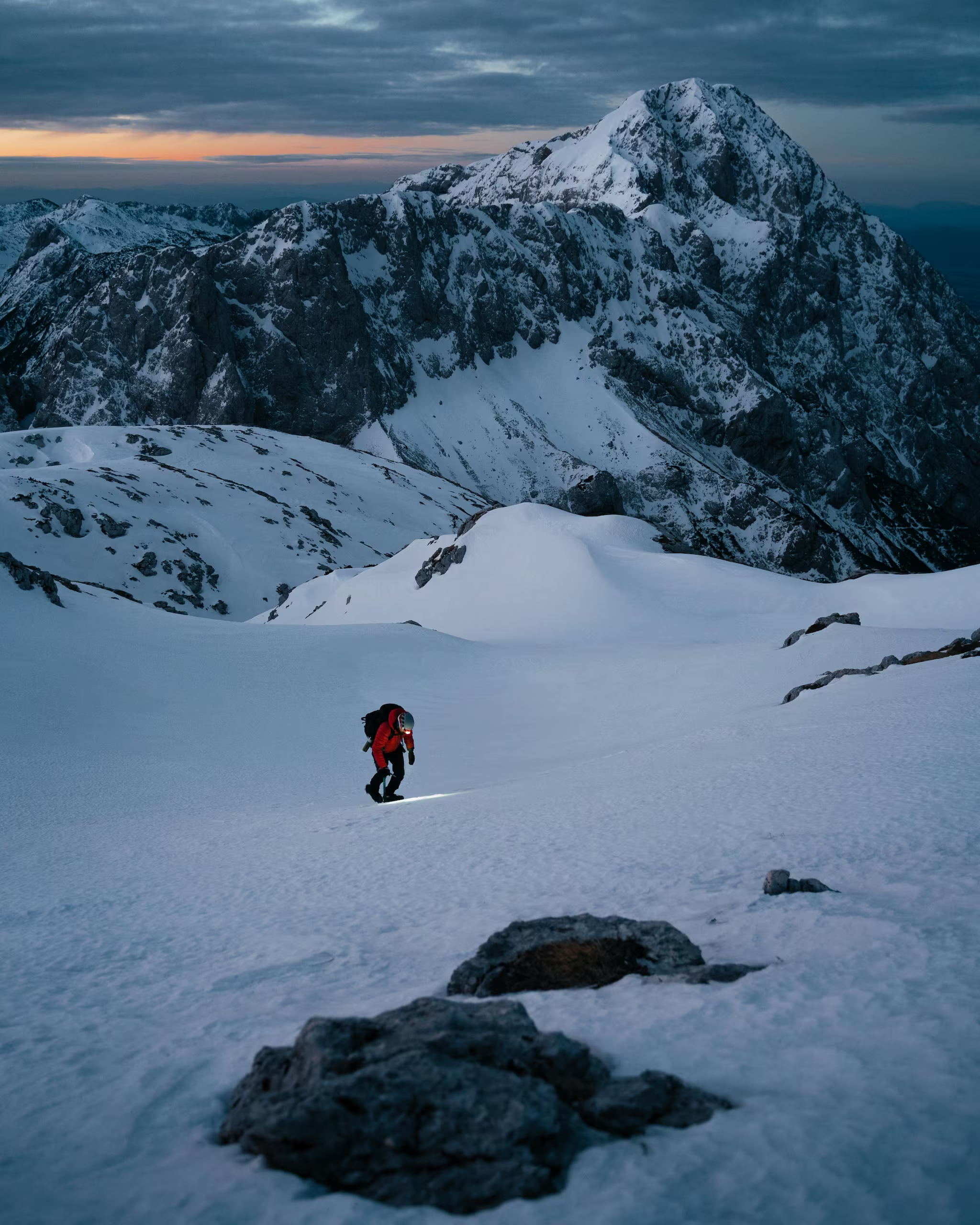
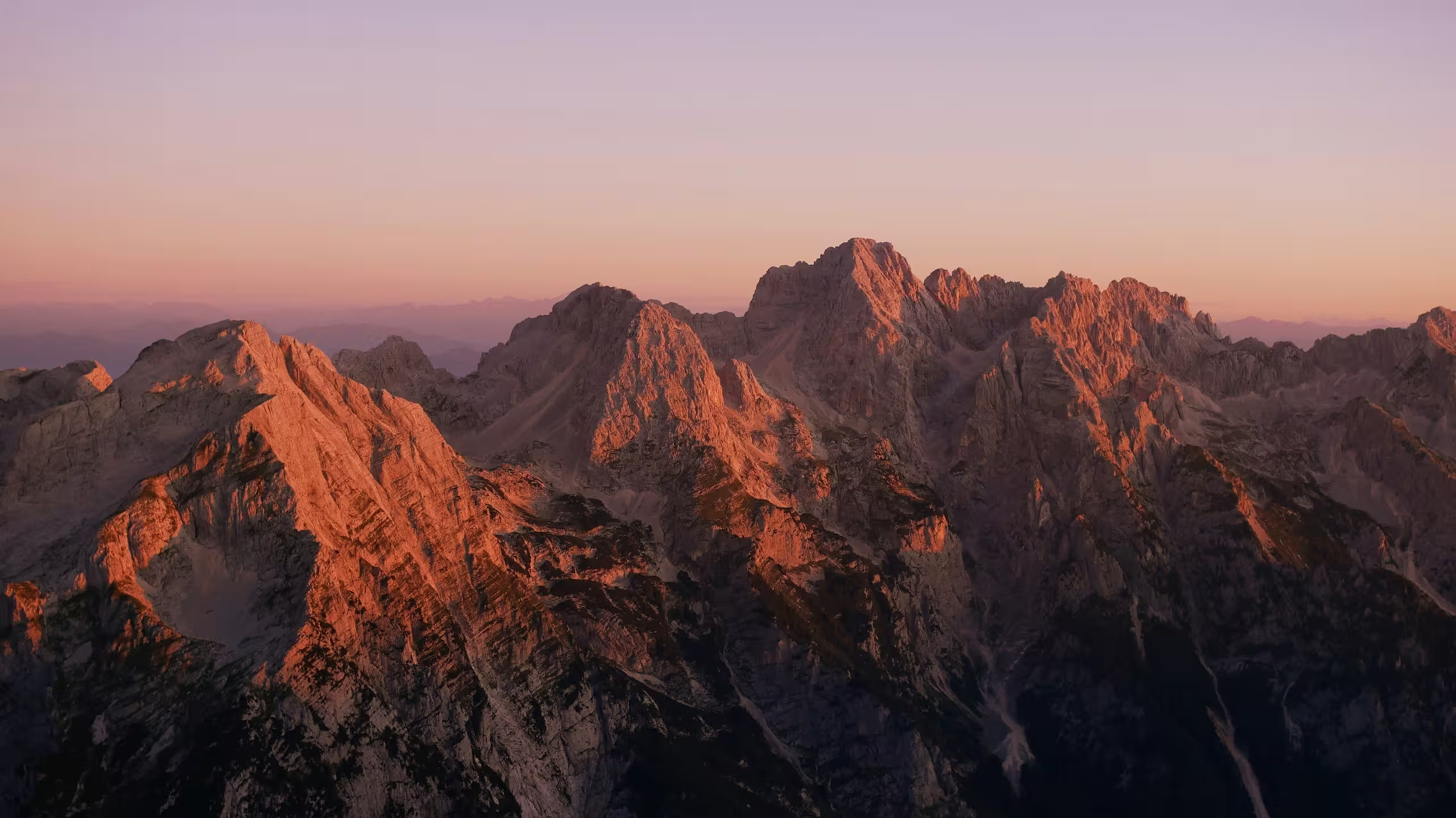
Slovenia's north-western corner: Triglav National Park, the lakes of Bled and Bohinj, the Soča, and four bases to choose between.
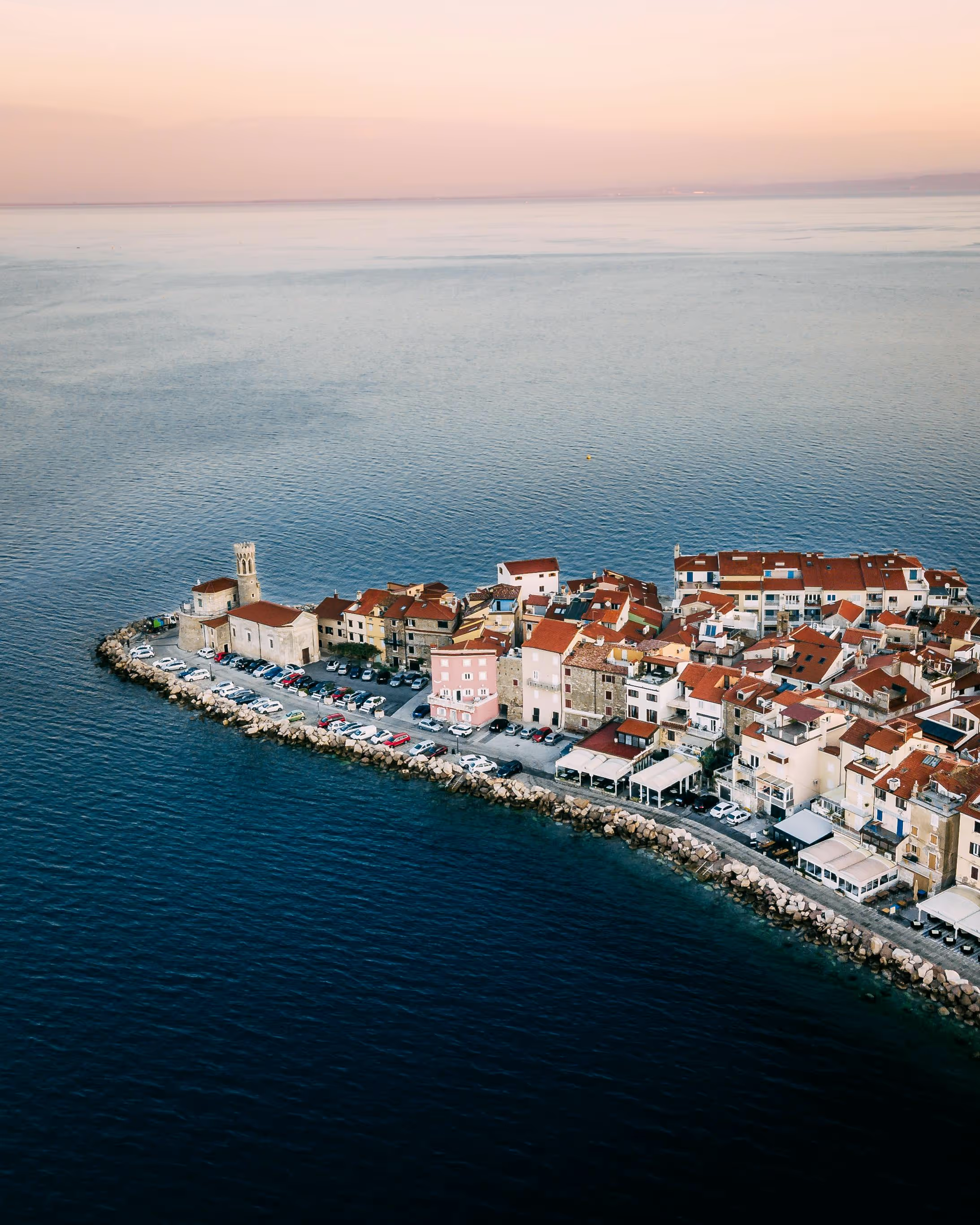
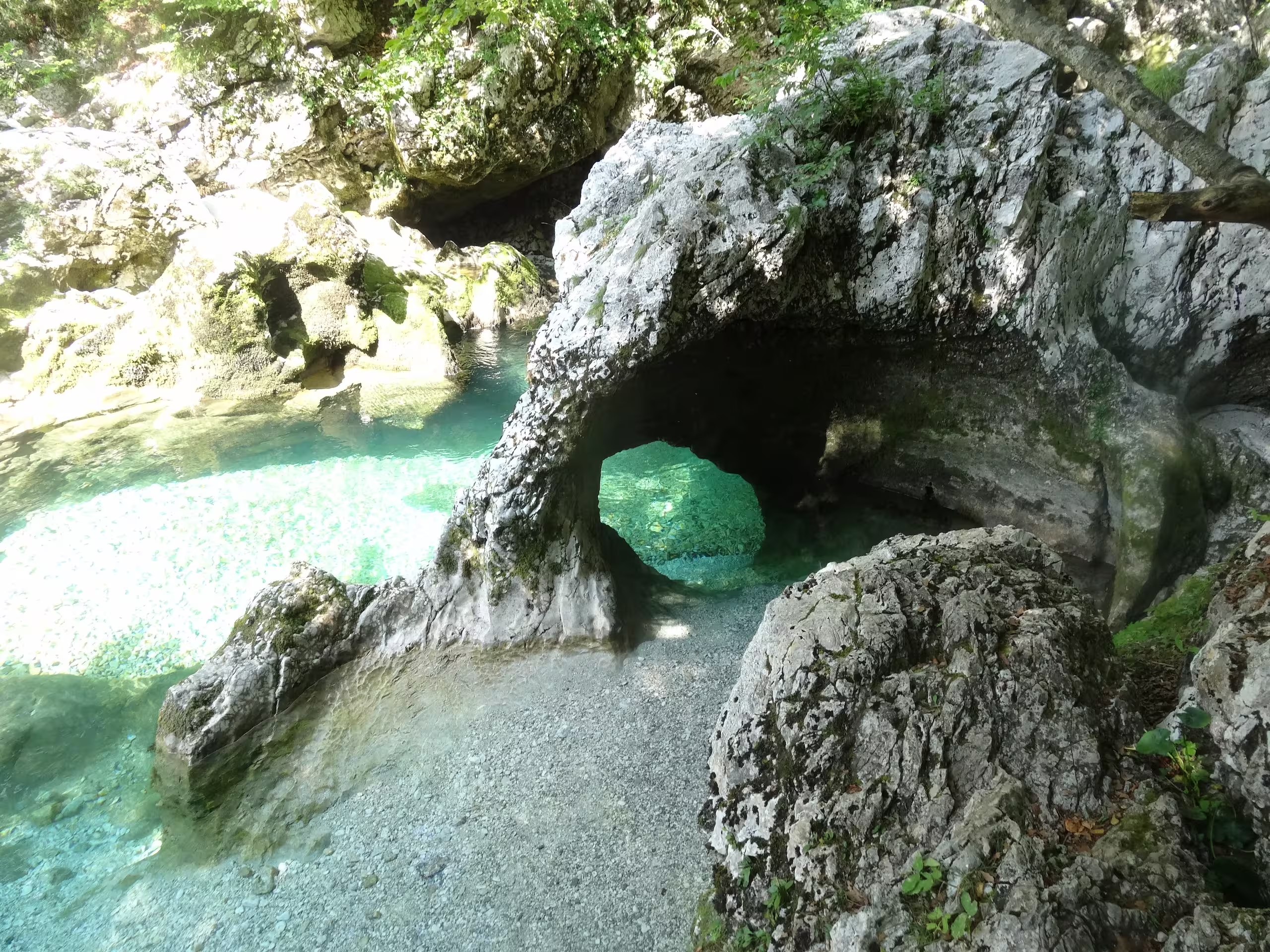
Slovenia's south-western corner: a 46.6-kilometre coast, the Karst plateau with Škocjan and Lipica, and two wine regions you don't know yet.
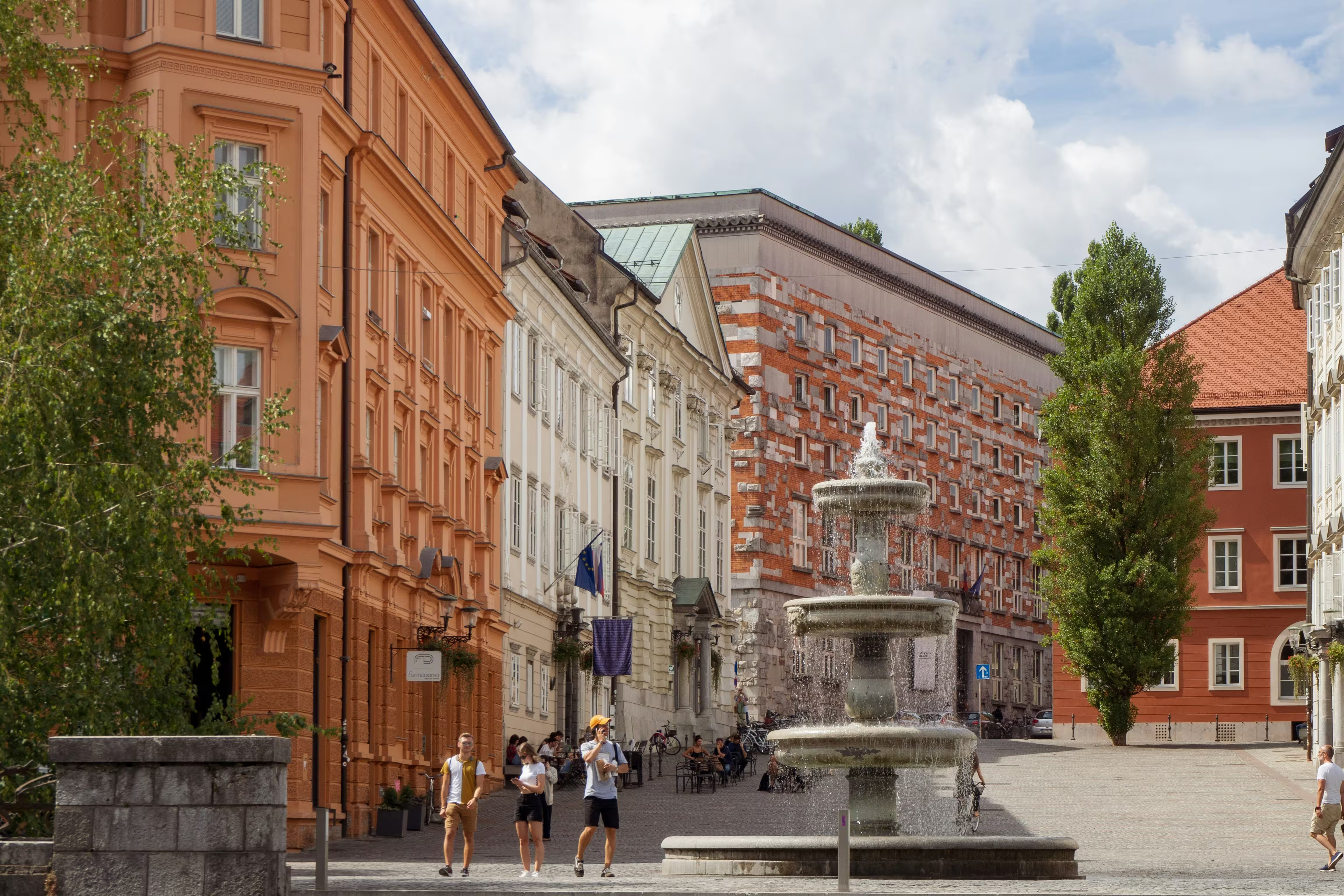
Not exactly in the center, but still central between the coast and the eastern regions, and the Julian Alps and Croatia, lie the Green Karst, the Idrija and Cerkno Valleys, and the capital, Ljubljana.

Herders' huts at 1,611 metres, a glacial valley with a 90-metre waterfall and a medieval town, all within an hour of Ljubljana.

The quietest part of Slovenia: the country’s warmest river, the old-growth forest of Kočevsko and vineyards along the Krka
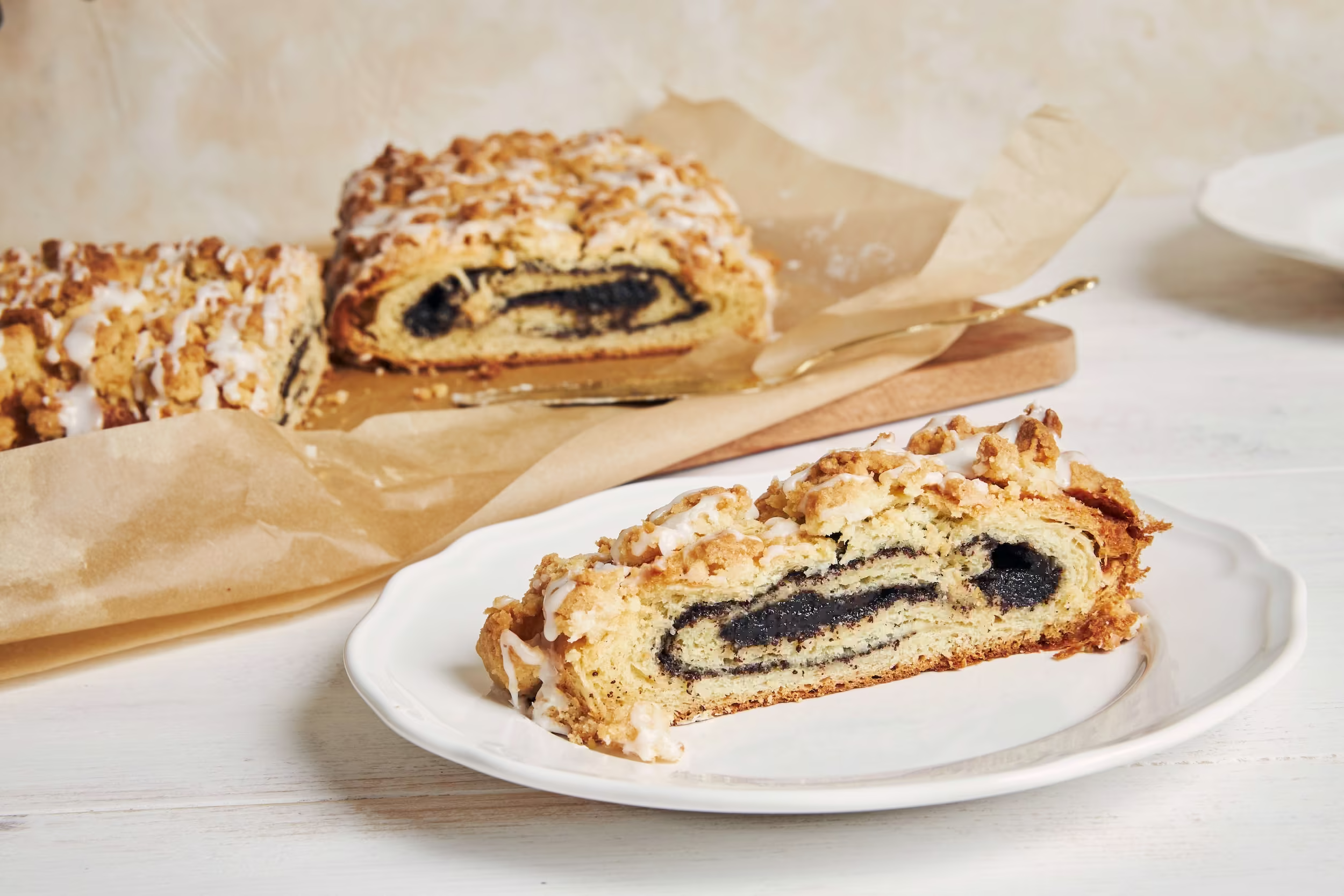
Where the mountains stop, Slovenia doesn’t end. To the east, Slovenia becomes flatter.
Travel Like
a Local
Local guides, hosts, and locals revealing hidden gems, traditional dishes, and unique customs you won’t find in guidebooks.
“If you visit Lake Bohinj in the morning, you’ll often have it almost to yourself.“


“Try štruklji in a mountain hut after hiking Triglav; it tastes even better with a view.“


Practical Info
Slovenia is part of the European Union and uses the euro (€) as its official currency. Credit and debit cards are widely accepted, though it’s good to carry some cash in rural areas. The country is considered one of the safest destinations in Europe, with low crime rates and excellent infrastructure. In case of emergencies, you can dial 112 for general emergency services and 113 for the police.


Good to Know
Slovenia has excellent mobile coverage and free public Wi-Fi in many towns and cities. EU citizens can use their regular data plan thanks to EU roaming regulations. Tap water is safe to drink everywhere, and English is widely spoken, especially in tourist areas. Don’t forget to pack a valid ID or passport, and if you’re driving, an international driver’s license and a vignette (toll sticker) are required for highways.