Mountain Hut Hiking in Slovenia: the complete guide
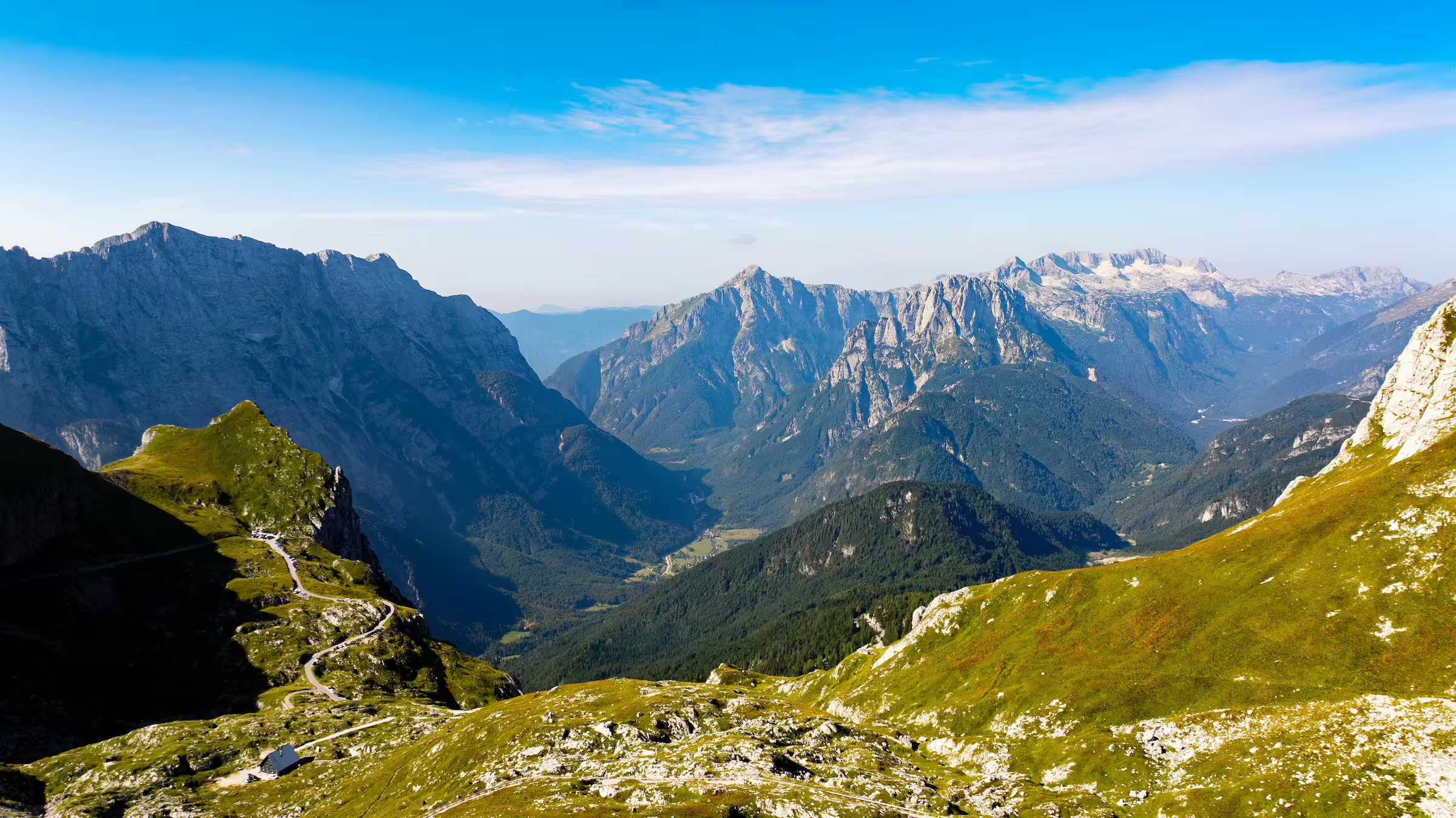
Slovenia offers one of the most accessible and well-organized hut-to-hut hiking networks in Europe. With over 50 mountain huts hikers of all levels can safely and comfortably explore.
Why Slovenia is one of Europe's best countries for hut-to-hut hiking
Mountain hut hikes designed by true experts, suitable for all skill levels. A hiking trip that includes an overnight stay in a mountain hut is an adventure you’ll never forget. Slovenia is one of the best destinations in Europe for hut-to-hut hikes. The combination of short daily stages (3–8 hours), well-maintained mountain trails, and very affordable huts (around €45 per person, including half-board) makes Slovenia ideal for both beginners and experienced hikers. In September, the best season, the mountain scenery is spectacular, and the deer are still active in the alpine meadows.
With over 50 mountain huts managed by the Planinska zveza Slovenije (PZS), hikers of all levels can safely and comfortably explore the Julian Alps, Karawanken range, and Triglav National Park. The best part? No heavy tents, no cooking outdoors, just warm meals and a clean bed every evening. This is hut-to-hut hiking distilled to its essence.

The routes: from 3-day Karawanken to 7-day Juliana Trail
There are several classic hut-to-hut routes, each with distinct characteristics and appeal. Here is an overview of the most popular routes with detailed specifications:

The 3-day Bled-Karawanken route traverses Triglav National Park and summits Begunjščica (2,060m). It is a classic suitable for experienced hikers wanting to explore where Alpine hiking tradition began. The Golica family route (Karawanken) is specifically designed for families and beginners, offering gentler terrain with only 800m elevation gain. The Triglav variants range from moderate (alpine pastures, Category 2) to extremely challenging (summit conquest, Category 4).
PSZ categories: choose your level
The key to choosing wisely is understanding the PZS category system. This classification makes it immediately clear what physical demands and technical skills you need:
- Category 1 (Easy): 250m elevation gain per day, up to 3.5 hours of walking. Wide trails, no technical skills required. Perfect for families and beginners.
- Category 2 (Moderate): 800m elevation gain per day, 3.5–6 hours of walking. Good fitness required. Suitable for most active hikers.
- Category 3 (Challenging): 1,500m elevation gain per day, 4–8 hours of walking. Strong legs and mountain experience essential. Narrow trails and exposure possible.
- Category 4 (Advanced): 2,000m elevation gain per day, 6–9 hours of walking. For expert mountaineers only. Via ferrata sets and helmets required on steep sections.
Tip from our hiking experts: for experienced hikers who demand clear specifications, a Category 3 route at 1,500m elevation per day is serious mountaineering. The Bled-Karawanken route gains 1,600m in 3 days; expect demanding physical labor. Proper training and mental preparation are essential.
.avif)
Sleeping at 2,000 meters: what to expect
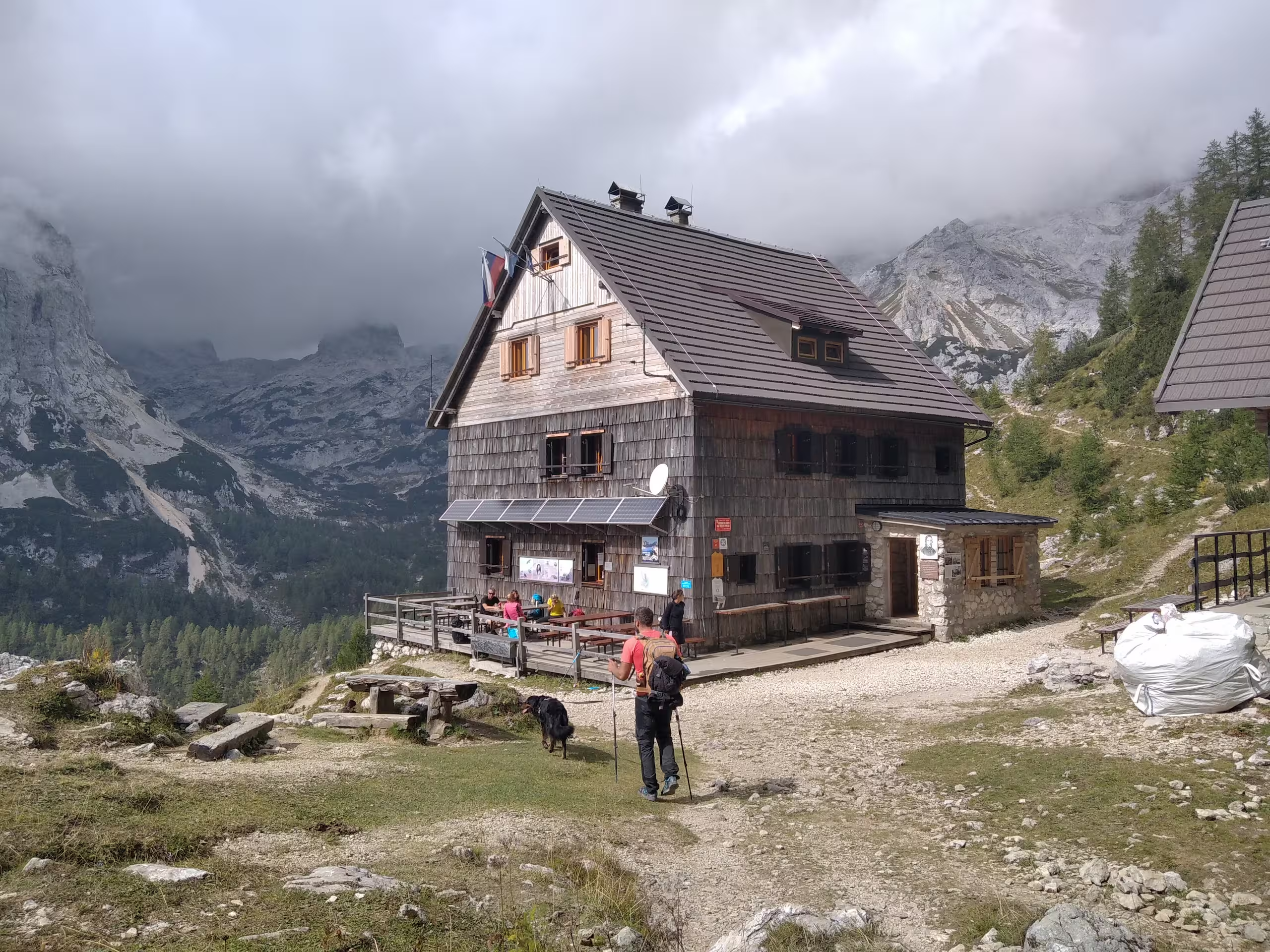
Most huts offer half-board accommodations: a bed, dinner, and breakfast for approximately €45 per person per night. Tourist tax (€1.60–€2.00 per person per night) is additional.
Facilities: Lower-altitude huts (1,500–2,000m) typically have warm showers. Higher huts (above 2,000m) may only offer cold water and outdoor toilets. All huts provide bed linens, no sleeping bag needed. Meals are basic but nourishing: soups, pasta, and local meat dishes are standard.
Booking: Reserve early, especially July–August. June and September offer walk-in availability in most cases. Private rooms book quickly: expect shared dormitories in high season. The PZS website shows real-time hut availability and contact details.
The best season, and why September wins
The official hut season runs from June 20 to September 20. However, September is unquestionably the best: stable weather, fewer tourists, and spectacular alpine light. Higher huts (above 2,000m) close in October. May and October allow hiking at lower elevations, but weather is unpredictable. Triglav National Park sees peak crowding in July–August; visit in June or September for solitude and superior photography.
The packing list: what you actually need
Because you sleep in a hut every night, your daily pack is remarkably light compared to traditional backpacking. Here is what you need:
- Day pack (20–30L): for water, snacks, rain jacket, camera, fully charged phone, passport
- Hiking boots: well broken-in. Stiff new boots cause blisters on long mountain days
- Clothing: multiple layers. Mountains = changeable weather. Summer: t-shirt, fleece, rain jacket. Be prepared for all weather conditions.
- Toiletries: minimal (toothbrush, sunscreen, blister tape). Huts provide soap
- Medications: pain relief, anti-diarrhea tablets, personal prescriptions
- Map & compass: many high-altitude trails lack clear markings
- Sunglasses & high-SPF sunscreen (50+): Alpine UV exposure is intense
- Cash: some remote huts do not accept credit cards
- NO sleeping bag: all huts provide bed linens (upon payment)
- For Triglav: climbing helmet and via ferrata set (required for Category 4 routes)
Tip from our hiking expert: Many hut-to-hut routes offer luggage transport services. Your pack can be delivered to your next hut while you hike light—ideal for families or anyone wanting to reduce daily load.
Easing into the mountains first?
The walk through the Mostnica Gorge to the Voje Valley is the perfect warm-up: start in Stara Fužina, stop for lunch on the summer terrace of Koča na Vojah, and get a first taste of the Julian Alps without conquering a single pass.

Frequently Asked Questions
- Do mountain huts have WiFi?
Some do, most do not. It is part of the experience, embrace offline time. - Are the hiking trails well marked?
At lower elevations, yes. Above 2,000m, markings become sparse. An offline GPS watch or topographic map is essential. - Can I summit Triglav without via ferrata experience?
Yes. The Alpine Pastures route (Category 2) approaches 2,900m without technical climbing. Other Triglav routes require via ferrata equipment and experience. - Are hut hikes suitable for families?
Absolutely. The Golica family route (Category 1–2) with only 800m elevation gain over 2–3 days is excellent for children 8 and up. - What if the weather turns bad?
Huts provide shelter. Most routes have lower-altitude alternatives. Tell your hut you want to rest a day: it is completely normal. - Is altitude sickness a risk?
At 2,000-2,900m with gradual acclimatization, the risk is low. Drink plenty of water, avoid alcohol, and you will be fine. Triglav is high but not high enough for severe altitude sickness.
In Slovenia's mountain huts you sleep without WiFi, wake up above the clouds, and every step feels as a reward..
Last verified: May 2026 | Last updated: August 2026 | Author: Editorial TeamMijn Slovenië
Bronnen: Planinska zveza Slovenije (PZS), Slovenian Tourist Board, Triglav National Park, Mountain Hut Network Slovenia, Mijn Slovenië