Brda and Vipava: Slovenia's hidden wine regions
Discover Brda and Vipava, Slovenia's best-kept wine secrets. Rebula wines, picturesque villages, and Mediterranean flavors await.
Why are Brda and Vipava worth your time?
Brda and Vipava are two of Slovenia's most overlooked wine regions, hidden in the northwestern corner of the country, just across the border from Italy. For travelers seeking authenticity, quality, and that elusive 'what Tuscany was twenty years ago' experience, these regions are invaluable. They offer what many more famous wine destinations don't: space, flavor, and genuine encounters with winemakers who understand their craft. No mass marketing. No manufactured experiences. Just exceptional wines, breathtaking landscapes, and a very fine way of living.

What makes Brda so special?
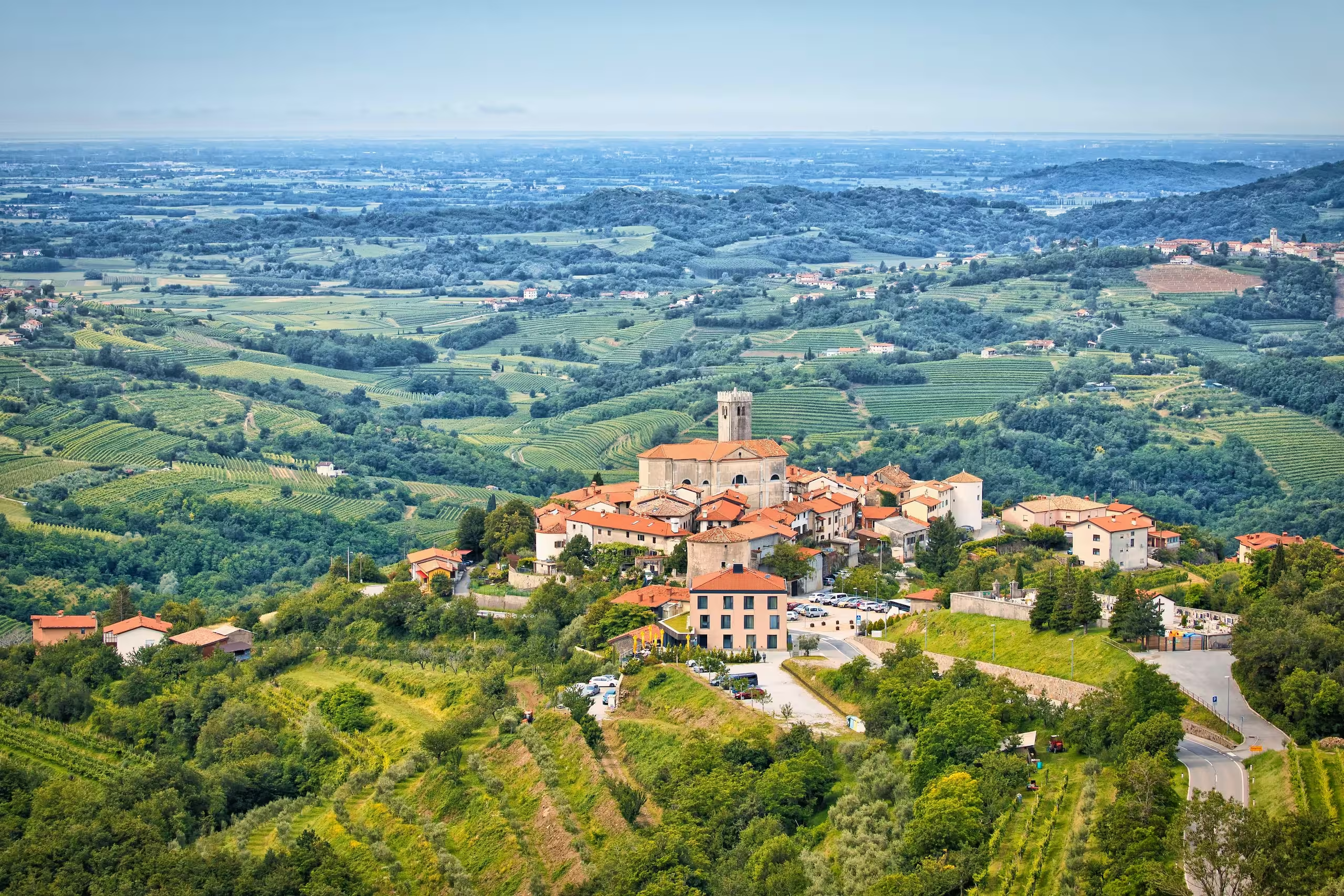
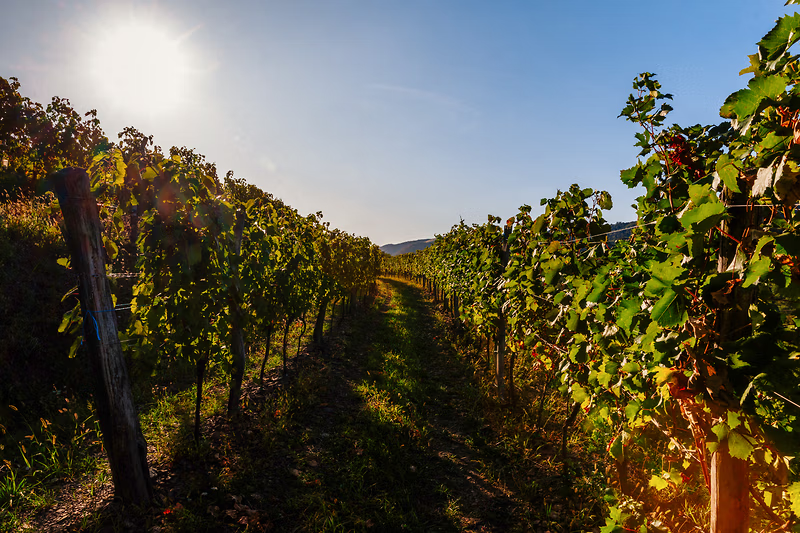
Brda is known as the 'Slovenian Tuscany,' and for good reason. Rolling hills covered in vineyards, olive groves, and quarries create a landscape that must be felt as much as seen. It borders Collio in Italy directly, meaning the terroirs here share the same geological richness. At the heart of Brda lies its wine heritage. Generations of winemakers have learned what grows here, how it tastes, and why. The region's name, derived from the Italian word for 'hills', is fitting.
The main villages worth visiting:
- Šmartno: A medieval hilltop village with steep narrow streets and beautiful views. Perfect for those who love history and architecture.
- Gonjače: Home to the famous observation tower with panoramic views for miles around.
- Medana: A quiet wine village where many of Brda's best producers are located.
- Vipolže: A small, thriving village known for excellent wines and traditional hospitality.
What wines must you try in Brda?
Brda's reputation as a wine region is largely built on one grape variety: Rebula. This is an indigenous white grape that grows nowhere else in the world quite like it does here. Rebula from Brda is dry, fully fermented, with crisp acidity and mineral qualities that pair perfectly with local cuisine.
But Brda offers much more. Here are the key wines to seek out:
- Rebula: The star of Brda. Indigenous, mineral-driven, pairs perfectly with seafood and white fish.
- Oranje wijn (Rebula/Malvazija): Brda produces some of Europe's finest orange wines; vibrant, fresh, with subtle tannic structure.
- Merlot: Red, soft, elegant. Many producers also experiment with Cabernet.
- Vitovska: Another indigenous white, lesser-known but absolutely worth seeking.

What makes Vipava Valley unique?
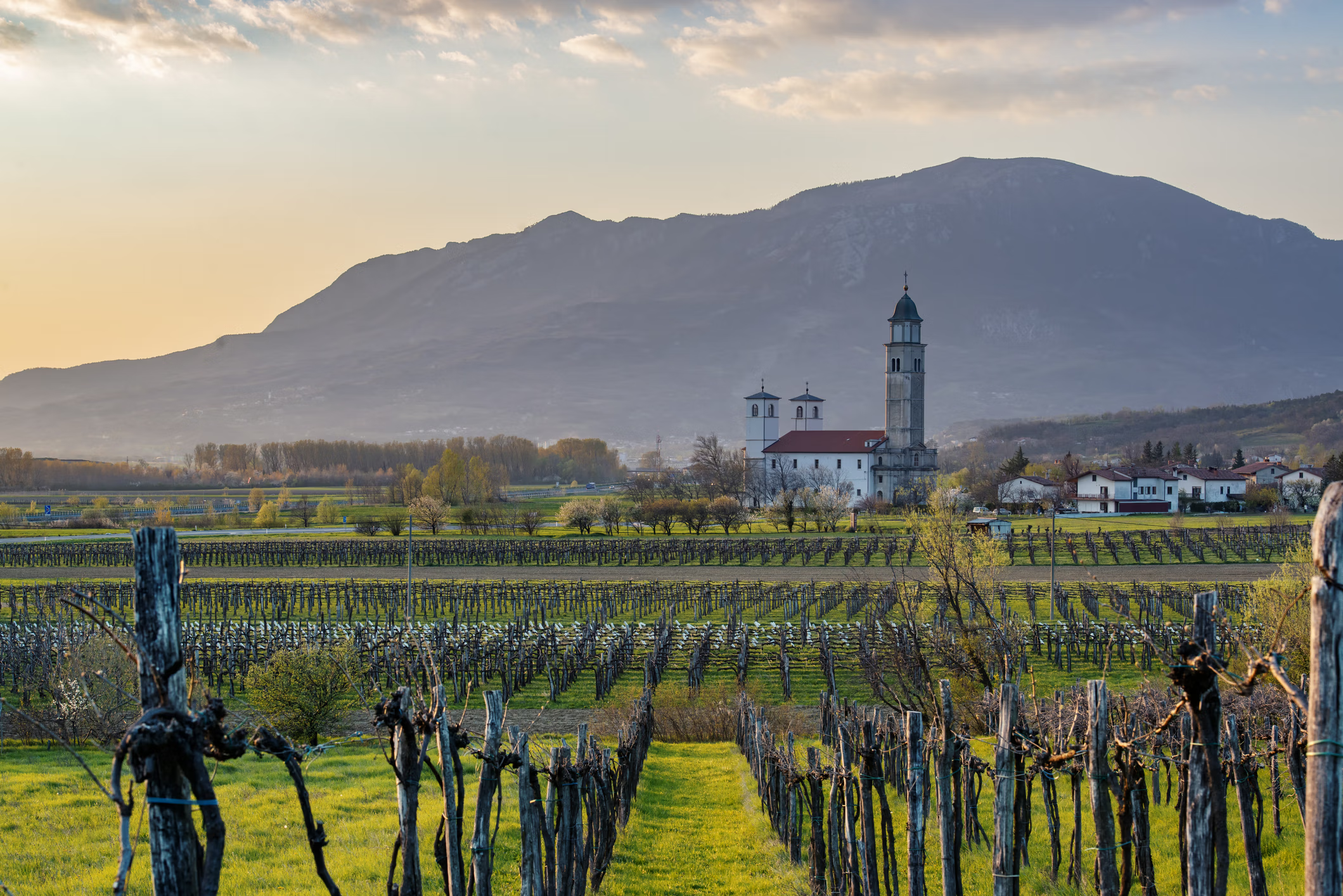
If Brda is the main story, Vipava is the open secret. Far less known, far less crowded, but with indigenous grape varieties and winemakers who match Brda's level entirely. The Vipava Valley lies south of Brda, protected by the Nanos plateau from cold northern winds. This creates a special microclimate: more sun, more warmth, more potential for ripeness. Yet it still produces grapes of fine acidity and mineral character.
The two indigenous grapes of Vipava are Zelen and Pinela, both white, both unique to this area. They grow nowhere else in the world in quite this way, and they're difficult to reproduce in other terroirs. This is proof of genuine terroir-binding.
Key places to visit in Vipava:
- Štanjel: A limestone village perched on a cliff, both dramatic and serene.
- Ajdovščina: The largest town in the valley, with good restaurants and accommodations.
- Vipava: A small, pleasant village in the heart of the valley, perfect for a slow day.
Where to eat and sleep?
Goriška Brda and the surrounding area are perfect for a stay where you discover something new every day. Stay in a boutique guesthouse full of character, right next to the vineyards, or choose a family-run agritourism farm where you’ll wake up to an authentic Slovenian breakfast. Those looking for a more adventurous experience will find small glamping sites with views of the valley.
At the table, you’ll notice that this is a region that thrives on what the land provides. There’s a Michelin-starred restaurant that celebrates local ingredients, but just as special are the small eateries where you can enjoy honest, simple fare with a glass of local wine. At the local cooperative’s wine bar, you can taste your way through the region, and in the traditional restaurants, you’ll find dishes that have been prepared the same way for generations, without frills, but with all the more flavor
What else is there beyond wine tasting?
Brda and Vipava aren't just for wine tasting. They offer much more for those who love movement and landscape.
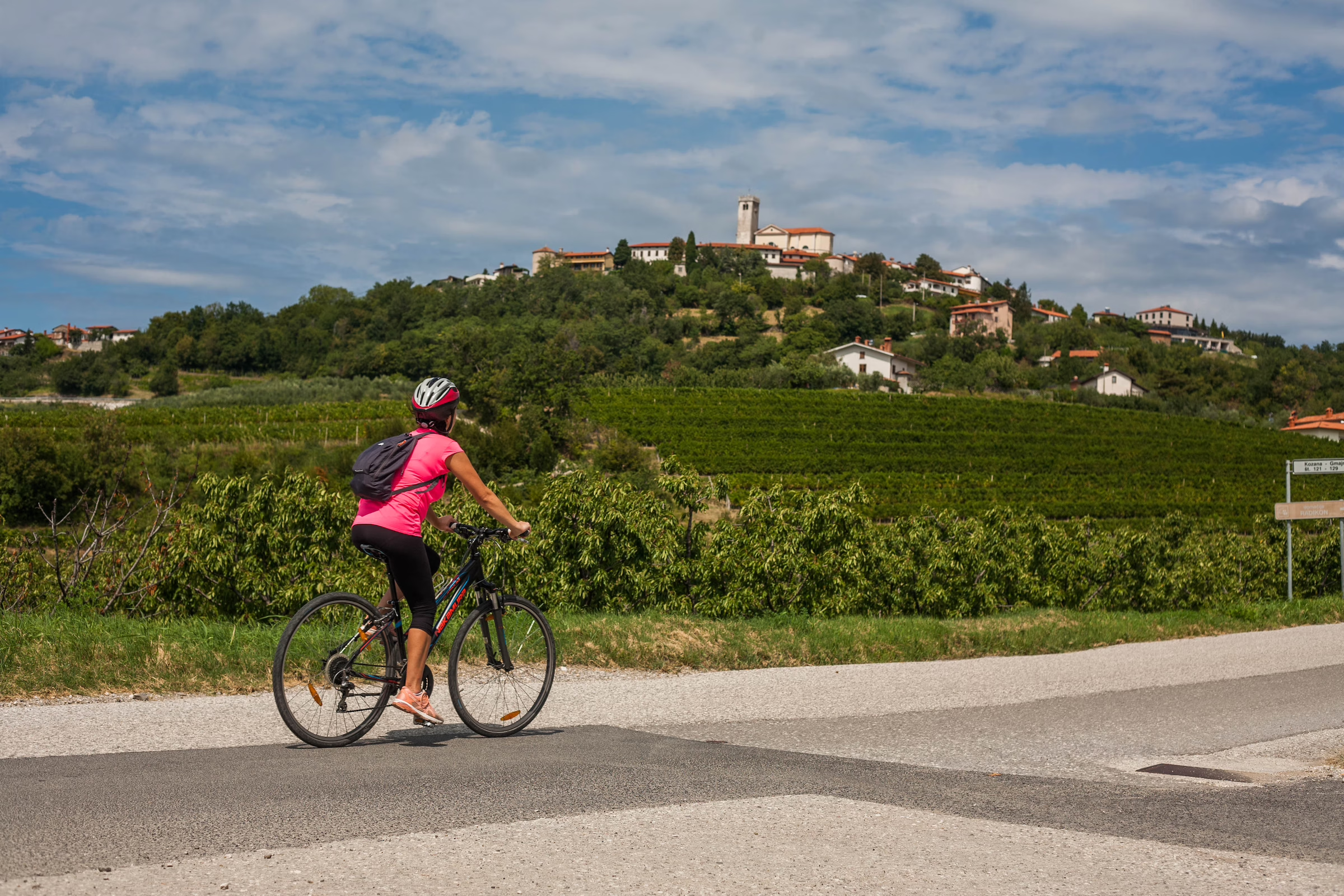
- Cycling: Both regions are excellent for slow cycling.
- Walking: Trail routes between villages, through vineyards, and past panoramic viewpoints.
- Visiting Šmartno: A medieval village where cars aren't welcome; pedestrians only, full of atmosphere.
- The observation tower in Gonjače: For the best view of the Brda landscape.
- Exploring Štanjel: A karst village with a fortress, full of medieval character.
- Olive oil tasting: Both regions produce excellent olive oil; many producers offer tastings.
- Cherry Festival (Brda, June): If you're there in spring, the blossoms are spectacular.
When is the best season to visit?
Brda and Vipava have two truly beautiful seasons. In spring the cherry blossom bloom in Brda is storybook-perfect. Weather is mild, and everything is in bloom. This might be the most beautiful time. In autumn (September-October) is when harvest is in full swing. Vineyards turn yellow and red. It's busy, but in a good way. Lots of festivals and cellar activity. Summer is also pleasant, though it can get warm. Winter can be long and grey, though snow-covered Brda is beautiful.
A sample itinerary: 4 or 5 days through Brda and Vipava
Day 1 Discovering Brda
- Arrival in Brda, check into Hiša Rdeče Koze.
- Lunch at Prešeren: local food and a glass of Rebula.
- Walk through Šmartno, explore the medieval streets.
- Dinner at a small osteria, Italian-feeling but Slovenian.
Day 2 Wines and views
- Morning walk through vineyards.
- Tasting at Klet Brda or Kabaj.
- Lunch at Vino Klet Brda.
- Observation tower in Gonjače for ultimate Brda views.
- Aperitivo and dinner at a guesthouse with views.
Day 3 Vipava Valley
- Drive to Vipava, check into Hotel Hiša Franko or Štanjel Kamp.
- Walk through Štanjel, the fortress, church, views.
- Tasting at Guerila or Batič.
- Dinner at Hiša Franko: this is a must
Day 4 Deeper into Vipava
- Cycling or hiking through Vipava vineyards.
- Visit Tilia Estate or Burja.
- Picnic with local products.
- Rest, sleep, enjoy.
Day 5 (optional) Retun or further exploration
- Morning walk.
- Visit an olive oil producer.
- Lunch and departure.
Frequently Asked Questions
- How much budget should I allocate per day?
Travelers with budgets of €120-200 per day find excellent value here. A good guesthouse costs €80-100/night, a fine dinner €40-60 per person, and wine tastings are usually free if you buy. A comfortable day costs €200-250 per person. - Do I need to speak the local language?
No. English works well in wineries and better restaurants. In smaller towns, a translator app helps. Many winemakers speak English or Italian. - Can I drive here?
Yes, it's actually essential. Roads are good, and a car gives you freedom to explore villages. Just be mindful not to overindulge in tastings! - Is it expensive
Much more affordable than Italy. A top bottle from Brda costs €20-30, versus €40-50 in Tuscany. Accommodation is also more reasonable. - When should I book?
May and September are busy, so book at least 6-8 weeks ahead. Spring is beautiful but needs early booking. October is harvest time and well-visited.
Brda is what Tuscany was twenty years ago: hills covered in vineyards, medieval villages, and hardly any tourists.
Last verified: april 2026 | Last updated: april 2026 | Author: Editorial teamMijn Slovenië
Sources: Slovenian Tourist Board, Brda Wines, Brda, Vipava Valley Tourist Information, Mijn Slovenie