Rafting in Slovenia: Canyoning, Kayaking and More on the Soča
The best-known whitewater river in the Alps runs past Bovec. This guide lines up every water adventure on the Soča: rafting, canyoning, kayaking and aquatrekking, with prices, routes and the best operators for 2026.
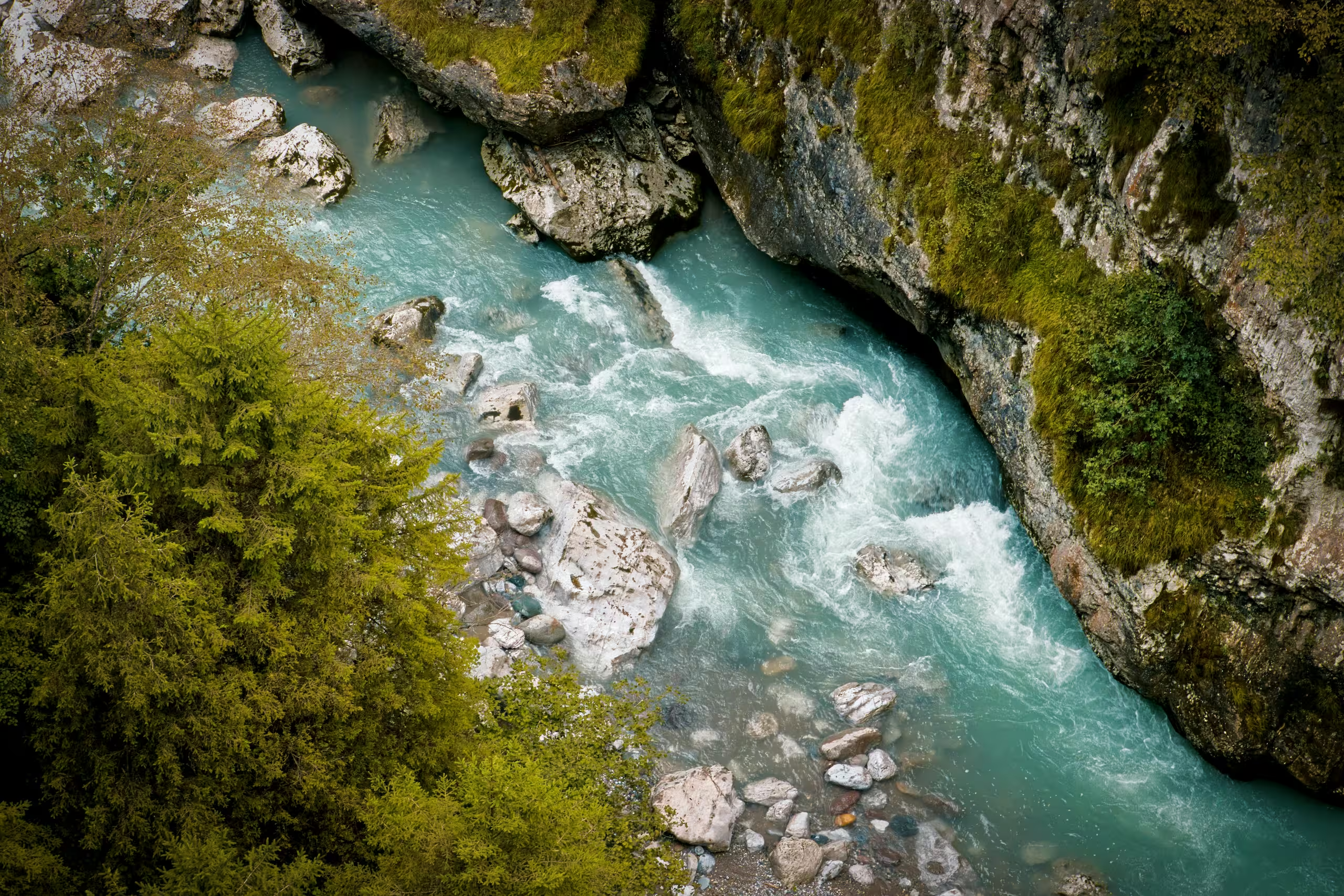
The Soča rises in a ravine high in the Trenta valley and runs barely 140 kilometres to the Adriatic, straight through western Slovenia. Along the way it turns emerald, cuts gorges through the limestone and churns just wild enough to give the Alps their best whitewater. At the heart of it all sits Bovec, Slovenia's outdoor capital.
This guide lines up every water adventure on the river: which rafting route suits you, where to try canyoning for the first time (or push yourself if you have done it before), what kayaking costs and which trips work with children. With prices and operators for the 2026 season.
The Soča is so green that nobody believes your photos. And the best view of that colour is from the water itself.
The Soča: why this river is different
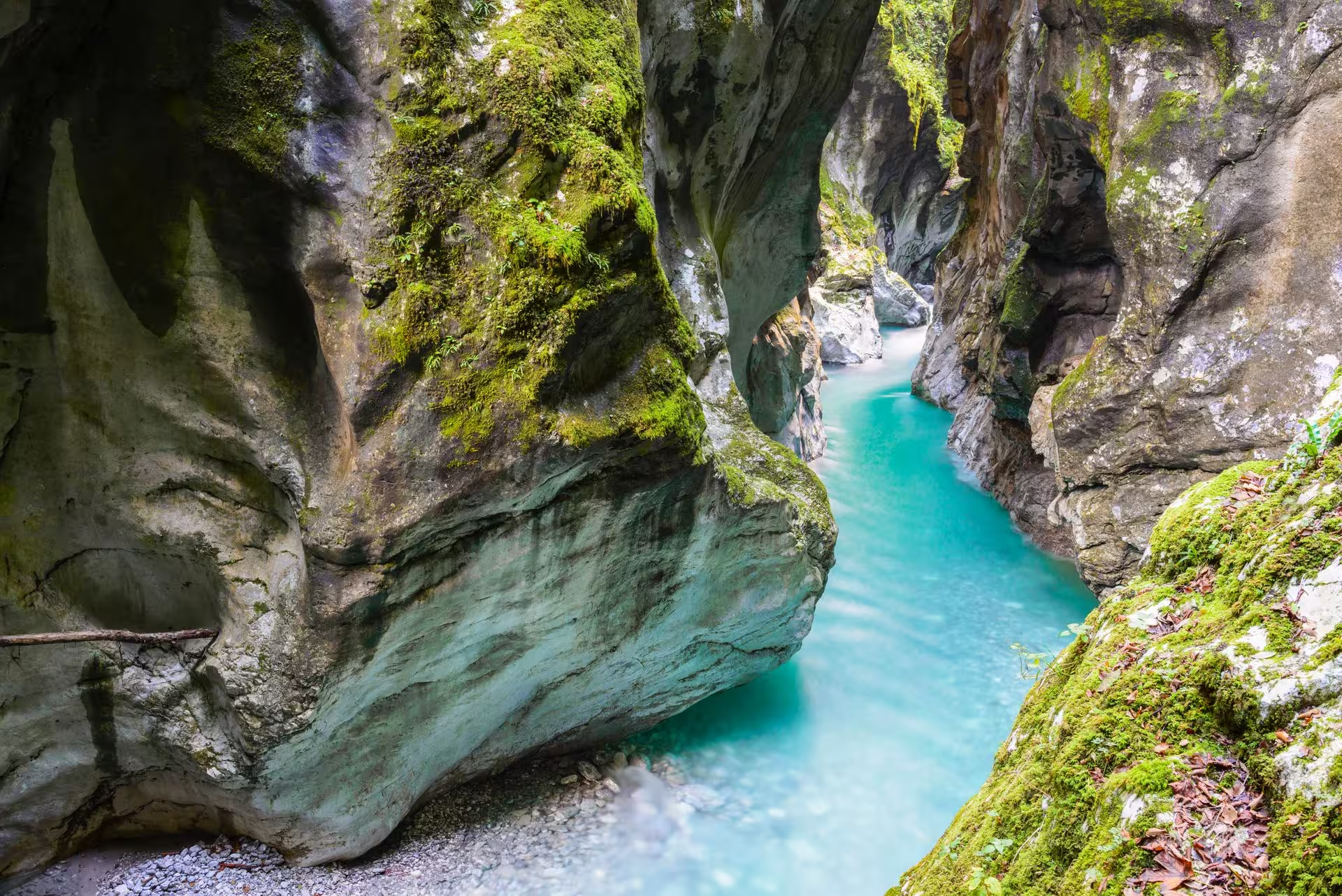
The colour is not a filter. Meltwater from the Julian Alps seeps through limestone and enters the river clear and mineral-rich; fine glacial dust scatters the light and gives the Soča its emerald cast. There is a reason it turns up on every list of Europe's most beautiful rivers.
For anyone who wants to get on the water, there is a practical bonus: the Soča offers every grade of difficulty within a short drive of the next. Gentle family stretches, technical whitewater and side rivers with waterfalls for canyoning all sit within half an hour of Bovec. Few places in Europe pack that much variety into so few kilometres.
Rafting on the Soča
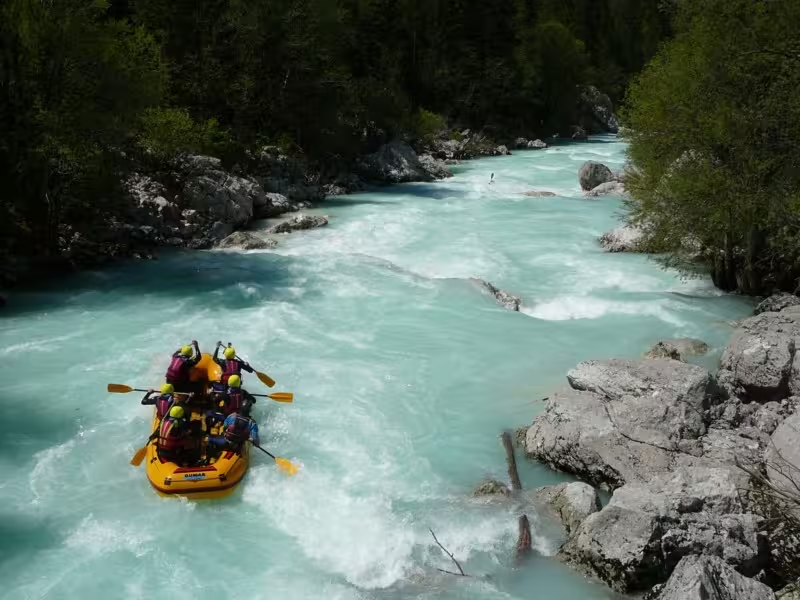
Rafting is the most accessible way to get to know the river: six to eight people in a raft, with a guide doing the steering. No experience needed.
- The classic route (Boka/Čezsoča towards Trnovo or Srpenica): two to three hours on the water, with rapids that feel spectacular but are perfectly manageable under guidance. Prices start at around €62 to €64 per person.
- The Kreda route (family rafting): calmer water, more playing and swimming, suitable for children from roughly 110 centimetres tall; some operators run dedicated family trips with younger children.
Good for families? Yes, via the Kreda route or a separate family rafting trip. The classic route is for teenagers and adults.
How a trip actually works: you gather at the centre in Bovec, get fitted for your wetsuit and gear there, and ride the minibus to the put-in point. After a safety briefing and a few practice strokes on flat water come the rapids, broken up by stretches where you can swim or jump off a rock. At the end the bus takes you back to Bovec. Allow half a day for the whole thing.
The river changes character with the season: in May and June the water is high and the classic route feels genuinely wild, while in late summer the Soča runs lower and more playful. Come early in the season for adrenaline, later if you would rather enjoy it.
Do not overlook the river permit: every water user pays a contribution to the municipalities of Bovec and Kobarid (in high season €6 per adult, €3 per child). Most organised trips include it in the price, but check when you.book.
Canoying in the Soča valley
Canyoning is the outlier: you dscend a side-river gorge via natural water slides, jumps into plunge pools and short abseils alongside waterfalls. More intense than rafting, and for plenty of visitors the highlight of the whole holiday in hindsight.
- Sušec (beginner canyon): the place for your first time,playful, relatively short and close to Bovec. Around €65 to €72 per person.
- Fratarica (advanced): higher waterfalls, longer abseils, a full day out near Log pod Mangartom. From roughly €105, depending on operator and season.
- Good for families? Only up to a point. Sušec works with sporty teenagers, though the minimum age varies by operator, so ask. Fratarica is for adults with a decent level of fitness.

Kayaking and pack rafting
If you would rather steer yourself, take a kayak. Beginners have two routes in: a guided trip in a stable inflatable kayak (no experience required, on the same stretches as the rafts) or a proper kayak course of one or more days, where you learn to paddle, turn and swim safely in whitewater.
Experienced whitewater kayakers will find every grade on the Soča; the river has been a training destination for paddlers from across Europe for decades. Packrafting, using a light inflatable boat you carry yourself, is gaining ground among hikers who want to combine water and mountains.
Good for families? The two-person inflatable kayak works well (children paddle along with a parent); the courses have minimum ages that vary by operator.
Other water activities
Still not done? There is more:
- Aquatrekking: canyoning light. You walk, swim and slide through the riverbed itself, without abseils. The gentlest introduction to whitewater and often already possible for children who are just too small for the raft; minimum age varies by operator.
- Stand-up paddleboarding: on the calm stretches near Čezsoča and around Most na Soči, where the river widens and settles.
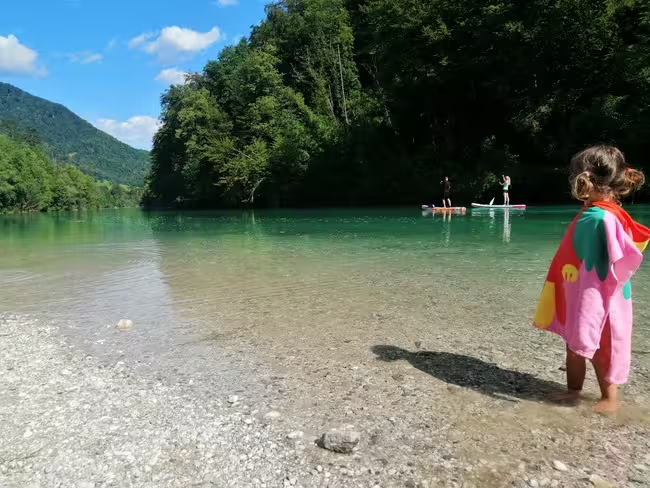
- Swimming: possible at any number of pebble beaches along the river; when the water is low, the plunge pools under the bridges are the local favourite. Watch for signs, as whitewater sport has priority on some stretches.
One warning that applies to allof it: the Soča is cold and stays cold, even in August. That is why organised activities always come with a wetsuit.
The best operators in Bovec and Kobarid
Bovec has dozens of outdoor centres. These names come up consistently in reviews and on the valley's official booking site:
- Soča Rafting (Bovec): one of the largest and longest-running centres; full range including the Kreda family route.
- Aqua Tours Bovec: strong on family rafting and small-group trips.
- Soča Splash (Bovec): keen prices, transparent price list per season.
- Alpe Šport Vančar (Bovec): canyoning specialist, Fratarica included.
- Paddle Soča (Bovec): kayak specialist with multi-day courses and guided sit-on-top trips alongside rafting. The unusual entries on their list: yoga and paddle combinations, and family rafting where the dog is welcome on board.
You can book directly with the operator, through the valley's official booking platform or via GetYourGuide. In July and August, reserve at least a few days ahead, because the popular morning trips fill up fast.
A river with a past: Hemingway on the Isonzofront
Anyone waiting on the bank for the raft to leave is standing on historic ground. In the First World War the Soča (Isonzo in Italian) formed the front line between Italy and Austria-Hungary for three years; twelve battles here cost hundreds of thousands of lives. The American writer Ernest Hemingway served as a volunteer ambulance driver on this front and turned it into A Farewell to Arms; of Kobarid he wrote, 'A little white town with a campanile in
The traces are everywhere in the landscape. Above the Koritnica gorge, Fort Kluže has guarded the passage for centuries, having earlier held off the Ottomans and Napoleon's troops. High above Tolmin stands the wooden memorial church of Javorca, and halfway up the Vršič pass a small Russian chapel remembers the prisoners of war who built the road.
Today the Walk of Peace connects the forts, trenches and memorials down the valley, from Log pod Mangartom via Kobarid to Tolmin. The excellent Kobarid Museum tells the whole story and is the best possible use of a rainy day, or a rest day between two trips

When to go and what to bring?
The water sports season runs roughly from mid-March through October, with June to August as the peak: warm weather, reliable water levels and every operator running daily. In spring the water is higher and wilder; September is quieter and cheaper.
What you need to pack is surprisingly little. The operator supplies the wetsuit, splash jacket, helmet, buoyancy aid and usually neoprene socks or shoes. You bring swimwear for underneath, a towel, and sandals or old trainers for the riverbank. A waterproof phone case is not a bad idea, though the guides often take photos along the way themselves.
Bovec and the Soča valley as a base
Bovec is the logical base camp:the town sits on the upper river, every operator is there, and in the evening you can walk straight into a gostilna, a traditional inn, for a plate of žlikrofi. Kobarid, half an hour downstream, is the quieter alternative, with the museum and some of the best restaurants in the region.
How to get there?
The Soča valley lies in the western tip of Slovenia. From Ljubljana or Bled you drive in over the Vršič pass: slow, but by far the finest approach. With a caravan, camper van or trailer, take the route through Italy over the Predel pass, which climbs more gently. If you are flying, consider Venice or Treviso alongside Ljubljana; from Italy you enter the valley from below.
Where to sleep?
Bovec and its surroundings are camping country: campsites and glamping sites line the river with the put-in points around the corner. If you want a roof over your head, there are guesthouses and apartma, self-catering apartments, in Bovec and Kobarid. In July and August the same rule applies here: book early.
What to eat?
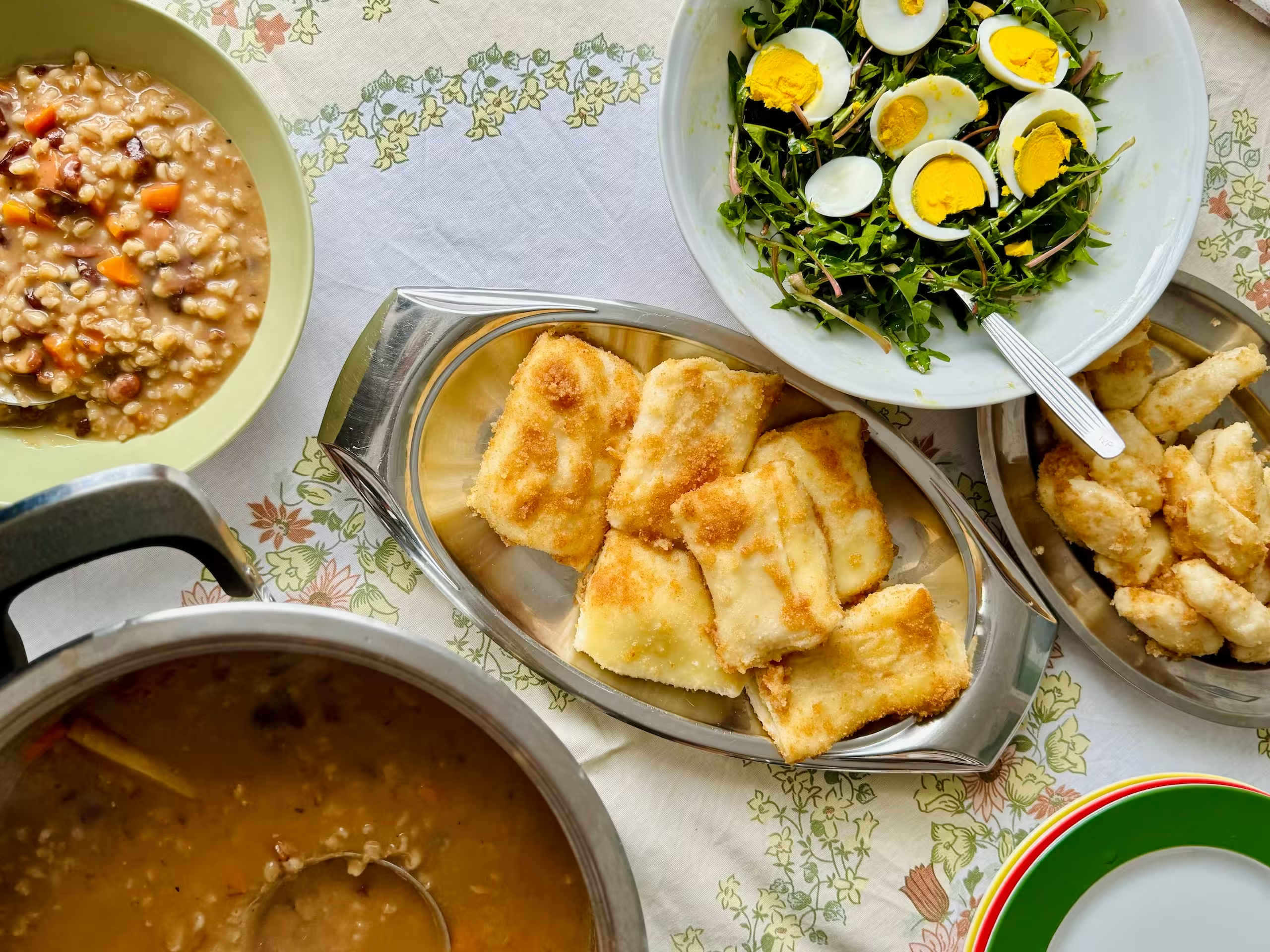
After a day on the water, eat something from the region: žlikrofi, trout from the river, and the famous Bovški sir, the sharp sheep's cheese from the high pastures around Bovec that carries European protected status. There is more on regional Slovenian cooking in our food guide.
What to do on a rest day?
The valley does not run out of things to do once you put the paddle down. The Slap Kozjak waterfall is a short walk from Kobarid, the Vršič pass and its fifty hairpins begin at Trenta, and the Tolmin gorges are worth the detour. Hikers can take a stage of the Soča Trail along the upper river, with suspension bridges and ravines along the way. You will find more walking inspiration in our blogs on hiking in Slovenia and Slovenia's outdoors.
Frequently Asked Questions
- Is rafting on the Soča safe?
Yes, as long as you go with a recognised operator: certified guides, supplied gear, and a route matched to that day's water level. Heading into whitewater on your own without experience is a bad idea, and on most stretches it is not permitted without a permit either. - Can children come rafting?
Yes, on the calm Kreda route from roughly 110 centimetres tall; dedicated family trips sometimes take younger children. The minimum age varies by operator, so check when you book. - What does rafting on the Soča cost?
Expect €62 to €75 per person for a classic two to three hour trip, gear and guide included. Canyoning starts at around €65 for Sušec; advanced canyons cost €105 or more. - Do you need to be able to swim?
For rafting and kayaking, yes. Basic swimming ability is a condition with almost every operator. You always wear a buoyancy aid, but you need to be able to look after yourself if you end up in the water. - How cold is the water?
Cold, even in high summer: the Soča is fed by meltwater and mountain springs. That is why organised trips always put you in a wetsuit, supplied by the operator. - What is the best month to visit Soča?
June and July combine wild water with long, warm days. September is the connoisseurs' secret: quieter on the river, softer prices and still plenty of water to paddle.
Last verified: August 2026 | Last updated: August 2026 | Author: Editorial Team Mijn Slovenië
Sources: Soca Valley, Soca Rafting, Aquatours Bovec, Bovec Sport, Soca Splash, Top.si, slovenia.info, walkofpeace.si, Kobarid Museum, Eco Natures Way, Mijn Slovenië